Fleas enter pet-free homes in Fillmore by hitchhiking on clothing, shoes, or used furniture; they are also commonly introduced by neighborhood wildlife like rodents and raccoons. Professional flea control Utah is often necessary to eliminate these pests, as they can survive indoors regardless of whether a cat or dog is present.
Finding itchy, red welts on your ankles is frustrating for any homeowner, but it feels particularly unfair when you do not even own a pet. Many residents in Fillmore believe that our dry Utah climate provides a natural barrier against flea infestations; yet, this common misconception often leads to a full scale invasion before you even realize there is a problem. Fleas are opportunistic pests that rely on local wildlife and hidden entry points to settle into your carpets. Once they arrive, their complex lifecycle makes them incredibly difficult to eradicate. In this guide, we will break down the reality of flea behavior in Millard County. You will learn why seeing a single flea indicates a much larger hidden population, how the resilient pupa stage protects them from standard retail sprays, and what specific steps are required to reclaim your home from these persistent hitchhikers.
The Great Utah Flea Myth: Why Dry Air Does Not Mean You Are Safe
Many Fillmore residents believe that Utah's high-desert climate provides a natural barrier against flea infestations. The logic seems sound; fleas thrive in humid, coastal environments, and our air is notoriously dry. However, relying on low outdoor humidity for protection is a dangerous misconception. While the air outside may be parched, the interior of a modern home offers a vastly different ecosystem.
Inside our houses, fleas find specialized micro-climates that perfectly suit their needs. Thick carpet fibers, upholstered furniture, and pet bedding trap moisture and organic debris, creating pockets where humidity levels reach the necessary 70 to 80 percent. Even when the Millard County landscape is frozen, our residential pest control services frequently encounter active infestations. Our indoor heating systems act as climate control for these pests, keeping them warm and reproductive through the coldest months of the year.
This is not an isolated problem. Recent reports from Salt Lake City and throughout Southern Utah confirm that fleas are a statewide concern, regardless of the altitude or aridity. They are remarkably adaptable, and a lack of rain does not equate to a lack of risk. If you notice signs of activity, do not assume the climate will solve the problem for you. Instead, you can learn more about Gobes Pest Control and how we target these indoor refuges to eliminate the population at the source. Understanding that your home is an oasis for these pests is the first step in effective flea control Utah homeowners need to protect their families.
How Fleas Enter Homes Without Pets
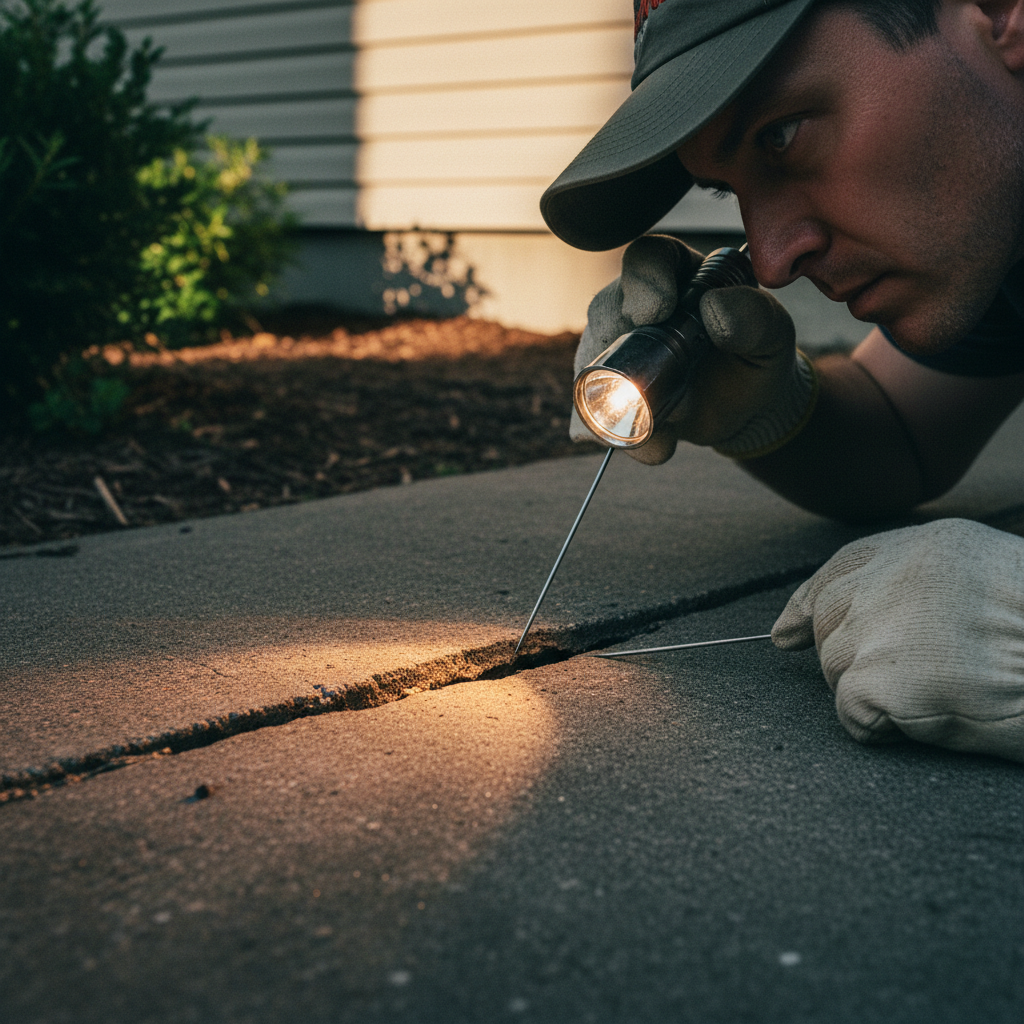
One of the most frequent questions we encounter is how a home without a single cat or dog can end up with an infestation. It is a logical point of confusion, but the reality is that fleas do not require a resident pet to enter a building. Many cases of flea control Utah residents require involve pet free environments where these pests have used alternative methods to bypass the front door. Understanding these entry points is vital for long term prevention.
Wildlife vectors are the most common culprits in Fillmore. Local wildlife such as raccoons, squirrels, or rodents often seek shelter in attics, crawlspaces, or under decks to escape the elements. As these animals move through the structural voids of a house, they shed eggs and adult fleas into the environment. Even if the wild animal stays behind a wall or under a floorboard, the fleas it carries will eventually migrate into the living spaces in search of a host.
Humans also inadvertently act as transport. Fleas are opportunistic hitchhikers with incredible jumping abilities. When you walk through tall grass in your yard or across open fields in Millard County, fleas can easily latch onto your socks, shoelaces, or pant legs. Once you step inside your home, they drop off into the carpet or furniture to begin their lifecycle. This is why a clean, pet free home can still fall victim to an infestation after a simple afternoon spent working in the garden.
In some cases, the problem is a legacy from previous occupants. Flea pupae can remain dormant for many months in a vacant house, protected by a resilient silk cocoon. These pupae are triggered to hatch by the vibrations and carbon dioxide generated when a new family moves in. This can result in a sudden, intense infestation in a house that has not seen a pet in over a year. If you find yourself in this situation, you should contact us for an inspection to evaluate the extent of the dormant population. 'No pets' simply does not mean 'no risk' when it comes to these resilient insects.
The Invisible Lifecycle: Why Seeing One Flea Means You Have Hundreds
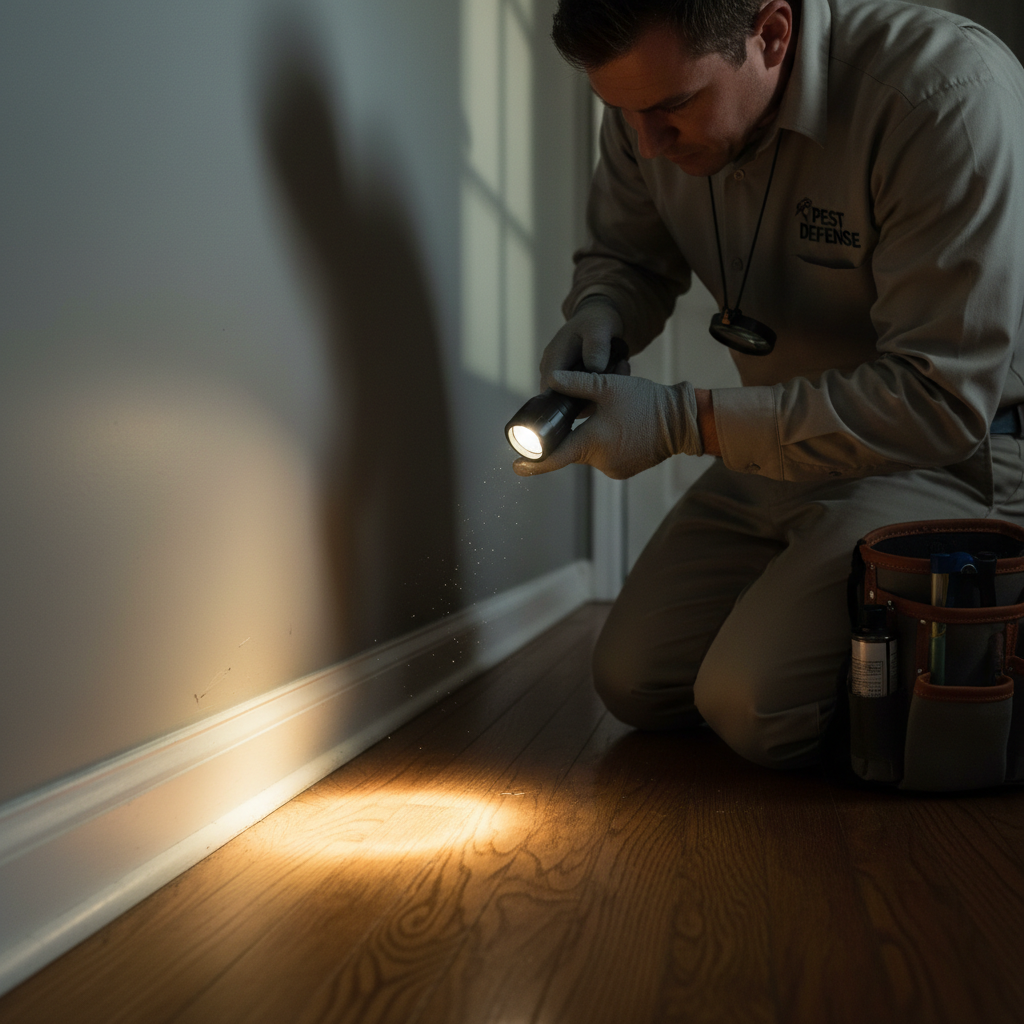
Once a flea successfully enters your home through one of the vectors mentioned above, it immediately begins a reproductive cycle that is remarkably difficult to disrupt. When you spot a single flea jumping across your living room floor, it is rarely a solitary intruder. According to data from the CDC, adult fleas represent only about 5 percent of the total population in an infested environment. The remaining 95 percent consists of eggs, larvae, and pupae hidden from plain sight. This biological reality is why many Fillmore homeowners struggle with persistent infestations; they are only addressing the visible tip of the iceberg while the majority of the population matures in the shadows.
The flea lifecycle consists of four distinct stages: - Eggs: These are smooth and non-sticky, meaning they easily roll off a host or a hitchhiker's clothing and settle deep into the pile of your carpet. - Larvae: These legless, worm-like creatures are photophobic, or light-avoiding. They instinctively crawl away from light, burrowing deep into the base of carpet fibers, under baseboards, or into floor cracks where they feed on organic debris. - Pupae: This is the transition stage where the flea develops inside a protective, silk-like cocoon. - Adults: This is the only stage most people see, as they emerge to find a host.
Understanding this distribution explains why basic cleaning or surface sprays often fail to provide the comprehensive flea control Utah residents need. While vacuuming removes some eggs and debris, it rarely reaches the light-avoiding larvae tucked into the darkest recesses of your flooring. Standard over the counter sprays often fail to reach the deep fibers where larvae hide. To effectively clear a home, our residential pest control services focus on methods that address the entire biological timeline rather than just the biting adults.
The Pupa Stage: The Reason DIY Treatments Fail
The pupa stage is the primary reason why many efforts at flea control Utah residents attempt on their own ultimately fail. While adults are easily spotted and larvae are vulnerable to certain cleaners, the pupa is encased in a resilient, silk like cocoon. This shell is specifically designed to protect the developing flea from environmental threats, including standard over the counter insecticide sprays. These chemicals often slide right off the cocoon or fail to penetrate the fibers, leaving the pest inside completely unharmed.
Beyond its physical toughness, the pupa uses a sophisticated survival mechanism known as the vibration trigger. Pupae can remain in a state of suspended animation for up to a year, waiting for a sign that a host is nearby. They are incredibly sensitive to heat, carbon dioxide, and the subtle vibrations of a person or animal walking across the floor. Once triggered, an adult flea can emerge from its cocoon in mere seconds. This explains why many Fillmore homeowners think they have solved the problem, only to experience a massive re-emergence two weeks later. It is rarely a new infestation from the yard; it is the original population waking up simultaneously. Overcoming this stage requires the specialized residential pest control services that address the unique biology of the cocoon.
Common Flea Triggers in Fillmore and Millard County
Living in Fillmore often means living in close proximity to expansive agricultural fields and open desert land. While this rural setting is a hallmark of Millard County life, it creates a unique pressure for homeowners. Wildlife species such as raccoons, skunks, and feral cats frequently migrate from these natural areas toward residential properties in search of water and shelter. These animals are the primary carriers of fleas in our region, and your yard often provides the perfect staging ground for an infestation.
Common architectural features in local homes can inadvertently invite these pests. Gaps under porches, lattice work around decks, and unsecured crawlspace vents offer ideal nesting sites for flea carrying wildlife. Once an animal establishes a den beneath your floorboards, flea eggs and larvae accumulate in the soil and building materials. As these pests mature, they migrate through wall voids or floor gaps to reach the interior living spaces. If you suspect wildlife has taken up residence on your property, you should contact us for an inspection to identify these entry points. Addressing these local environmental triggers is a critical component of effective flea control Utah residents rely on to maintain a healthy home. Through our residential pest control services, we target these specific transition zones where the wild environment meets your living space.
Professional Flea Control vs Home Remedies
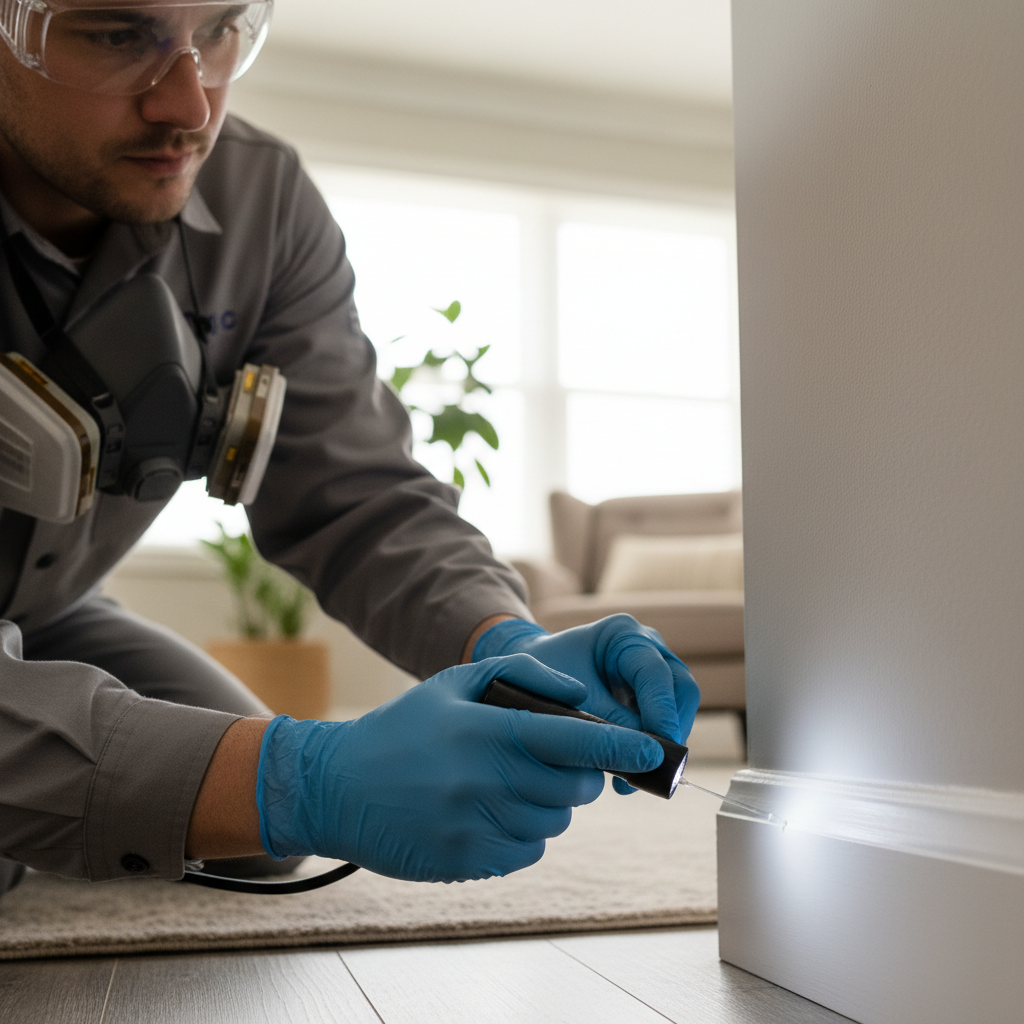
When an infestation takes hold, many homeowners in Millard County initially turn to hardware store solutions like borax, essential oils, or over the counter foggers. While these methods are widely available, they often fail to provide the lasting flea control Utah families need. Borax can be difficult to apply evenly into carpet fibers, and essential oils rarely possess the residual strength to disrupt deep seated larval populations. Total release foggers, or flea bombs, are particularly problematic. These devices release a vertical mist that settles on top of furniture and countertops, but the pesticide rarely reaches the dark recesses under baseboards or deep inside upholstered cushions where fleas actually live. In many cases, the harsh chemicals in foggers act as a repellent, driving fleas further into wall voids and structural gaps.
Our residential pest control services take a more targeted approach. We utilize Insect Growth Regulators (IGRs), which effectively act as birth control for the colony. By disrupting the hormonal balance of the larvae, IGRs prevent them from maturing into reproductive adults, effectively breaking the lifecycle at its most vulnerable point. Rather than relying on a blind fog, we use precision application tools to deliver treatments directly into the cracks, crevices, and carpet bases where pests hide. This surgical method ensures the product reaches the source of the infestation without unnecessary broad spectrum exposure, providing a professional standard that home remedies simply cannot match.
How to Prepare Your House for a Professional Flea Treatment
Effective flea control Utah residents expect relies on a collaborative effort between the homeowner and our technicians. To ensure our treatments reach the hidden larvae and pupae deep within your flooring, your home must be properly prepared before we arrive. This preparation maximizes the efficacy of our residential pest control services by removing physical barriers that pests use for cover.
Follow this checklist to prepare your home: 1. Clear all floor surfaces by removing toys, shoes, and loose items, including those stored under beds or at the back of closets. 2. Wash all bedding, linens, and pet rugs in the hottest water setting possible and dry them on high heat to eliminate eggs. 3. Vacuum all carpets and hard floors thoroughly. Immediately place the vacuum bag or canister contents in a sealed bag and dispose of it in an outdoor trash bin. 4. Coordinate with your veterinarian to treat all pets for fleas on the same day as our professional visit.
Taking these steps allows us to apply IGRs and targeted treatments with surgical precision. If you are ready to reclaim your living space from these persistent pests, contact us for an inspection to begin the process.
Understanding that fleas can enter your Fillmore home through wildlife or previous infestations is the first step toward a pest-free environment. While these insects are resilient, they do not have to be a permanent fixture in your life. If you want expert help to reclaim your space, our local team provides the detailed attention necessary for success. You can read more About our approach to pest management and our history of serving Utah families. We are here to ensure your home remains a comfortable sanctuary for everyone.