Effective termite control Utah involves identifying signs like mud tubes on foundations, hollow sounding wood, and discarded wings to stop subterranean and drywood species. Homeowners should prevent infestations by reducing moisture and eliminating direct soil contact with wood structures; additionally, professional inspections are vital for detecting hidden activity before significant damage occurs.
In Utah, a home is more than just shelter; it is often your most significant financial investment. However, beneath the surface of many properties in Fillmore, a silent threat is actively compromising structural integrity. Termites often go unnoticed until the damage is extensive, leaving homeowners facing thousands of dollars in repairs. Whether you are dealing with subterranean colonies or drywood infestations, understanding the specific risks in Central Utah is critical for long term protection. In this guide, we will examine how to differentiate between these two common pests and identify the subtle warning signs of an active infestation. You will also learn about the timing of local swarming seasons and why professional intervention is superior to DIY methods. By following these proactive prevention tips and professional insights, you can safeguard your Fillmore property against these destructive invaders effectively.
The Hidden Threat: Why Termite Control in Utah is Essential for Homeowners
Fillmore homeowners often overlook termites, assuming these wood-destroying insects are a problem reserved for the extreme heat of St. George or the urban density of Salt Lake City. However, Central Utah serves as a critical transitional zone. In Fillmore and surrounding Millard County, the climate supports both subterranean and drywood termites, allowing them to establish colonies that remain active throughout the year. Because our region experiences a mix of high-desert heat and freezing winters, these pests are highly motivated to find shelter within the climate-controlled structural wood of local buildings.
The economic impact of an infestation is staggering. Unlike many other pests that cause cosmetic issues or health concerns, termites attack the structural integrity of your property. Nationwide, they cause more property damage annually than fires, floods, and storms combined, primarily because their work happens entirely out of sight. Most standard homeowners insurance policies do not cover termite damage, making proactive termite control Utah a financial necessity rather than an optional service.
Early detection is the only reliable way to prevent thousands of dollars in structural repairs. By the time a homeowner notices warped floorboards or crumbling drywall, a colony has likely been feeding for years. Our team at Gobes Pest Control provides residential and commercial clients with the specialized knowledge required to identify these threats before they compromise a building’s safety. You can learn more about our local expertise and how we address these specific regional challenges.
Subterranean vs Drywood Termites: Which is More Dangerous for Your Fillmore Property?
In Fillmore, homeowners must contend with two distinct biological threats that require different tactical approaches. Subterranean termites are the most prevalent, relying on the high moisture levels found in the soil. To survive the trek from the ground to your home's framing, they construct distinctive mud tubes, often the width of a pencil, across foundation walls and crawl space piers. These tubes act as humidity-controlled highways, protecting the workers from the dry Utah air. Their colonies are massive, sometimes numbering in the hundreds of thousands, allowing them to consume cellulose at an alarming rate once they bridge the gap between soil and structure.
Western Drywood termites operate with much more stealth. They do not require soil contact, instead living entirely within the structural timber or furniture they consume. This makes them significantly harder to detect without professional tools. According to findings from the Utah Department of Agriculture regarding wood preservation, these pests are particularly insidious because their colonies grow slowly. A single colony might take three to five years to produce visible symptoms, such as frass pellets or swarmers, by which time the structural integrity of the wood is often already compromised from the inside out.
Feature | Subterranean Termites | Western Drywood Termites |
|---|---|---|
Habitat | Soil-based, requires moisture | Interior wood, low moisture |
Primary Sign | Mud tubes on foundations | Hard to see; frass or exit holes |
Colony Size | Massive (thousands to millions) | Small (hundreds to thousands) |
Damage Speed | Fast-acting and aggressive | Slow, but causes deep structural rot |
Determining which species is more dangerous depends on the timeline of the infestation. Subterranean termites provide reliable pest management challenges because of their sheer speed and ability to bypass physical barriers. Conversely, Drywood termites represent a long-term threat that remains hidden until the damage is severe. Our team understands how Fillmore's environment influences both species, ensuring that our termite control Utah protocols address the specific biology of the pest threatening your property.
Five Early Warning Signs of Termite Activity in Utah Homes
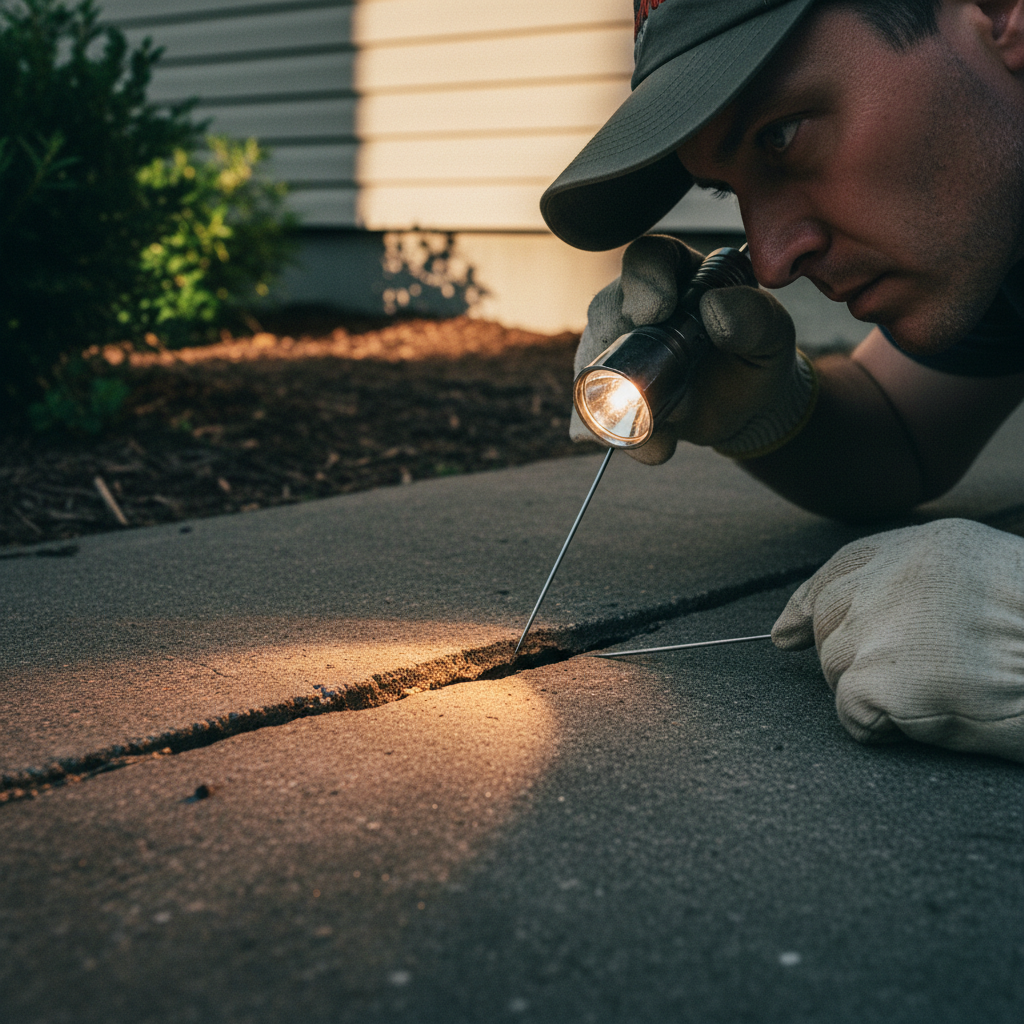
Identifying an infestation early requires looking past the surface of your home. Because these pests consume cellulose from the inside out, the damage is often deep within the framing before it becomes visible. Homeowners should look for these five specific indicators to determine if they need professional intervention.
Mud Tubes on Foundations: Subterranean termites build narrow tunnels, roughly the width of a pencil, to travel between the soil and your home. You will typically find these earth-colored tubes climbing up concrete foundation walls, crawl space piers, or floor joists.
Hollow-Sounding Wood: Perform a "tap test" on baseboards, support beams, and windowsills. Use a screwdriver handle to tap the wood at six-inch intervals. Solid wood produces a sharp, dense sound; however, wood compromised by termites will sound hollow or thin, like a drum, because the interior has been hollowed out.
Discarded Wings: After a colony matures, it produces swarmers to start new colonies. These winged termites shed their wings shortly after landing. Finding piles of translucent, equal-length wings on windowsills or caught in spiderwebs near light fixtures is a primary sign of activity.
Frass Pellets: Unlike subterranean species, drywood termites push their waste out of small "kick-out" holes. This frass looks like tiny, hexagonal pellets of wood or coarse sand. If you find small mounds of these pellets beneath a wooden beam or furniture, it indicates an active drywood colony.
Puckered or Bubbling Paint: Termites often feed right up to the paint layer without breaking through. This can cause the paint to bubble or pucker, frequently mimicking the appearance of water damage.
Distinguishing between active and old damage is critical for effective termite control Utah. If a mud tube is broken and appears moist or contains live, creamy-white insects, the infestation is active. If the tubes are dry and brittle, the colony may have moved or died out, though the structural damage remains. Regardless of the age of the signs, a professional inspection is necessary to ensure the structure is secure for residential and commercial clients alike.
When is Termite Swarming Season in Central Utah?
In Fillmore and the broader Millard County area, termite swarming is closely tied to our specific high-desert climate cycles. These mass flights typically occur during the first warm days of Spring, often immediately following a significant rainfall. The sudden surge in moisture and subsequent humidity triggers subterranean termites to emerge from the soil in search of mates and new nesting sites. While Spring is the primary window, residents should also remain vigilant during the Fall, as secondary swarming events can occur when temperature and moisture levels align similarly.
Homeowners often ask, "Do termite swarmers mean I have termites?" The answer depends entirely on the location of the sighting. Discovering winged termites inside your home, often clustered around windowsills or light fixtures as they seek an exit, is a major red flag. It indicates an established colony is already active within the structure. Conversely, seeing swarmers outside near the foundation or in the yard means a mature colony is healthy and active nearby. While this may not confirm an internal infestation, it serves as a clear warning that your property is within the flight path of new reproductive pairs. Establishing a protective barrier with professional termite control Utah is the most effective way to prevent these pests from transitioning from your yard into your home's framing. You can learn more about our local expertise and how we monitor these seasonal shifts to protect residential and commercial clients throughout the year.
Why DIY Termite Treatment Fails and When to Call a Professional
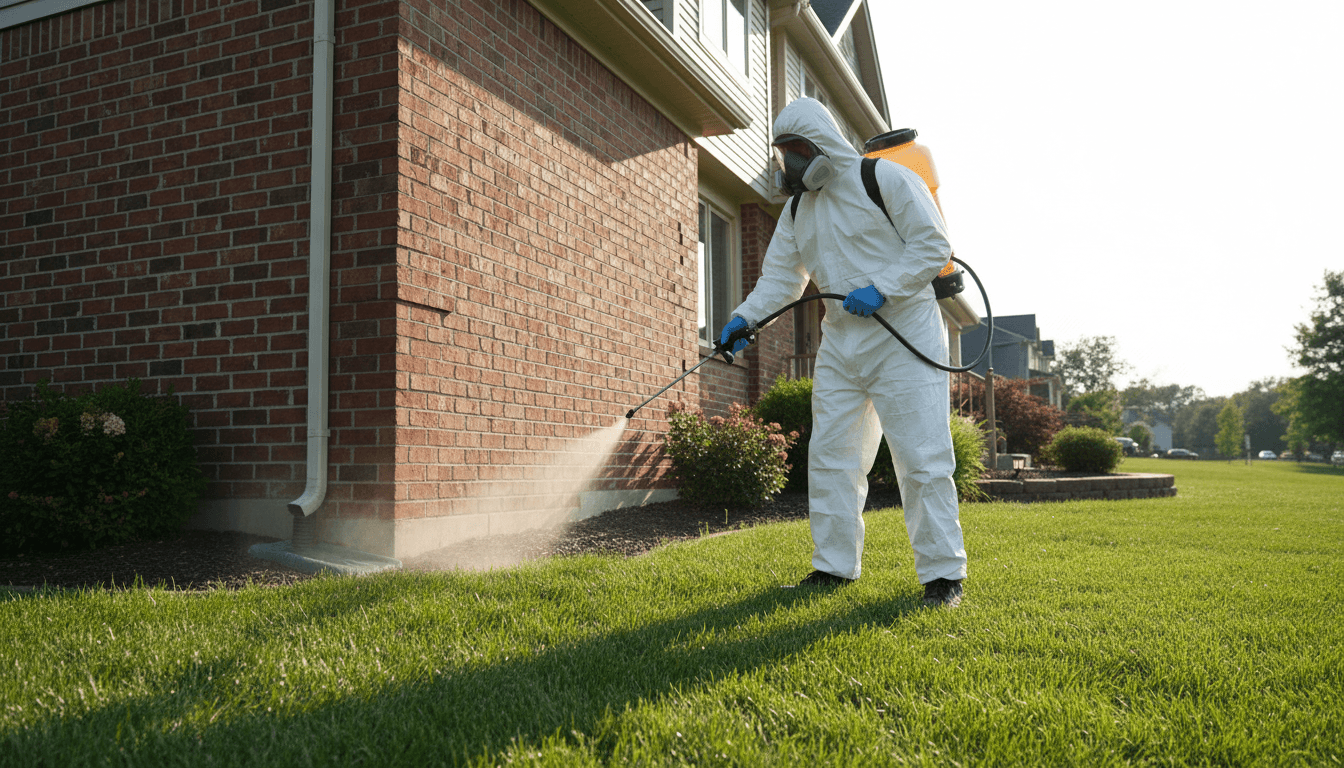
Many homeowners search for "can you do termite control yourself" to save on costs, but termite eradication is fundamentally different from killing ants or spiders. The primary challenge lies in the complexity of application. Establishing an effective liquid soil barrier requires digging continuous trenches and injecting professional grade termiticides at specific depths and concentrations. If even a few inches of the perimeter are left untreated, subterranean termites will eventually exploit that gap to enter the structure.
Over the counter sprays typically fail because they are often simple contact killers or repellents. While they may kill the workers visible on a joist or windowsill, they rarely reach the queen or the heart of the colony buried deep in the soil. This leads to a dangerous false sense of security; the homeowner stops seeing surface activity while the colony continues to consume the home's framing internally.
At Gobes Pest Control, we provide reliable pest management using specialized tools not available to the general public. We utilize high grade moisture meters to identify hidden dampness behind walls that attracts subterranean colonies. Our precision application tools allow for targeted treatments that reach deep into structural wood where termites hide. This level of technical accuracy is why residential and commercial clients rely on us. You can learn more about our local expertise and the methods we use for termite control Utah to ensure your property remains structurally sound.
Proactive Termite Prevention Tips for Fillmore Homeowners
While professional intervention is necessary for active infestations, homeowners can take specific steps to harden their properties against future threats. The most critical principle is eliminating direct ground to wood contact. In the Fillmore landscape, where large residential lots often feature mature trees and wooden outbuildings, it is easy for landscaping to inadvertently invite pests.
Follow this prevention checklist to minimize risk: - Maintain a 6-Inch Clearance: Ensure there is a visible gap of at least six inches between the soil and the bottom of wooden siding or lattice work. - Divert Water Sources: Termites thrive in moisture. Keep gutters clear and use downspout extensions to move water away from the foundation. - Relocate Wood Piles: Store firewood, scrap lumber, or mulch at least 20 feet away from the house. If possible, keep these materials on elevated metal racks. - Trim Vegetation: Keep bushes and tree limbs trimmed so they do not touch the exterior walls.
Implementing these modifications helps residential and commercial clients maintain a defensible perimeter. These steps reduce the environmental pressures that drive colonies toward your structure, supporting a strategy of reliable pest management. You can learn more about our local expertise in identifying these specific property vulnerabilities and how termite control Utah protocols can be tailored to your landscape.
The Gobes Pest Control Approach: Professional Termite Inspections and Solutions

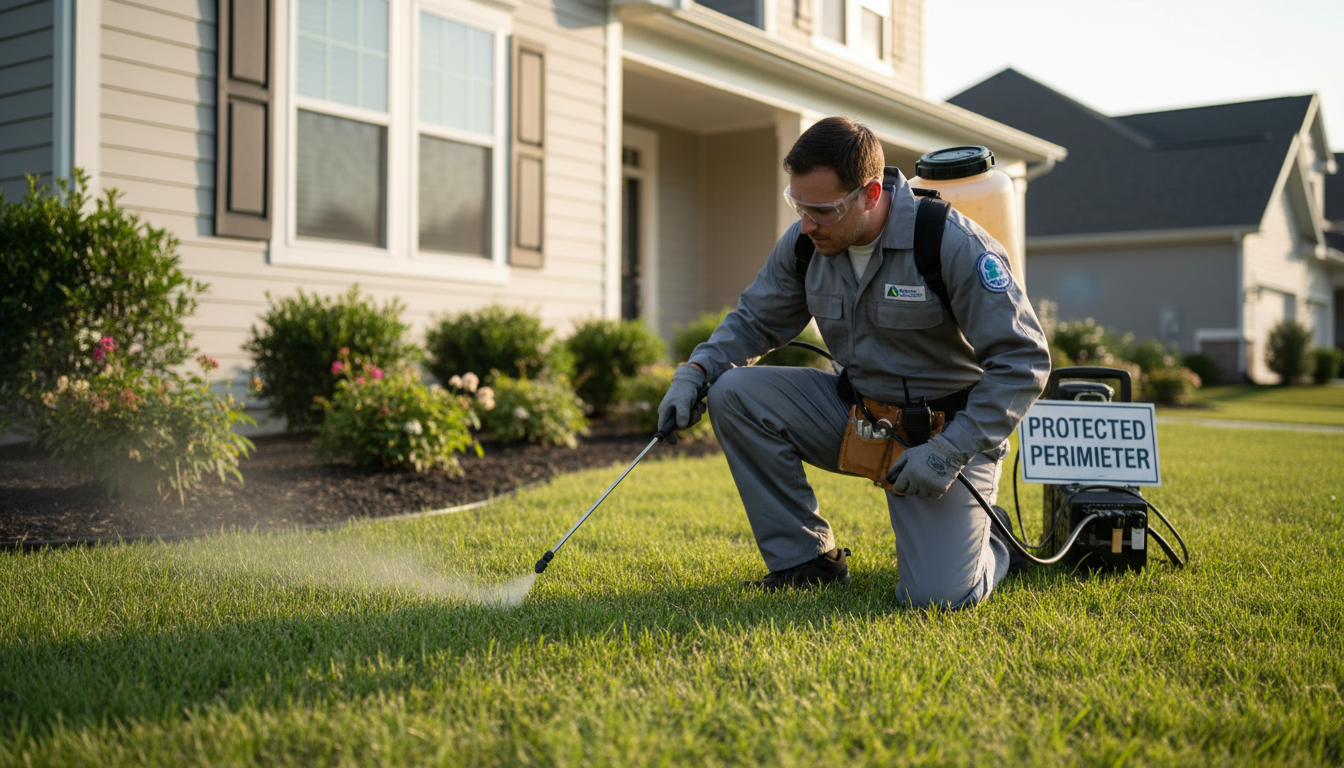
Gobes Pest Control brings specialized knowledge to Fillmore by providing a methodical inspection of crawlspaces, foundation piers, and interior walls. We identify early indicators of activity using professional tools, ensuring a complete overview of the structure. Our team utilizes safe, targeted treatments that prioritize the well-being of families and pets while addressing the source of the infestation. Clear communication is central to our process; we provide a comprehensive report detailing our findings, which is vital for long term peace of mind and Utah real estate transactions. This focus on reliable pest management ensures that residential and commercial clients receive effective termite control Utah. You can learn more about our local expertise regarding the regional threats to Fillmore properties.
Protecting your Fillmore home from subterranean and drywood termites starts with regular inspections and proactive prevention. While these initial steps are crucial for maintaining structural integrity, these pests are often difficult to manage without specialized equipment. If you want expert help ensuring your property remains protected, you can review our full range of Services to see how we handle local infestations. Our team is here to provide the peace of mind that comes with professional pest management.