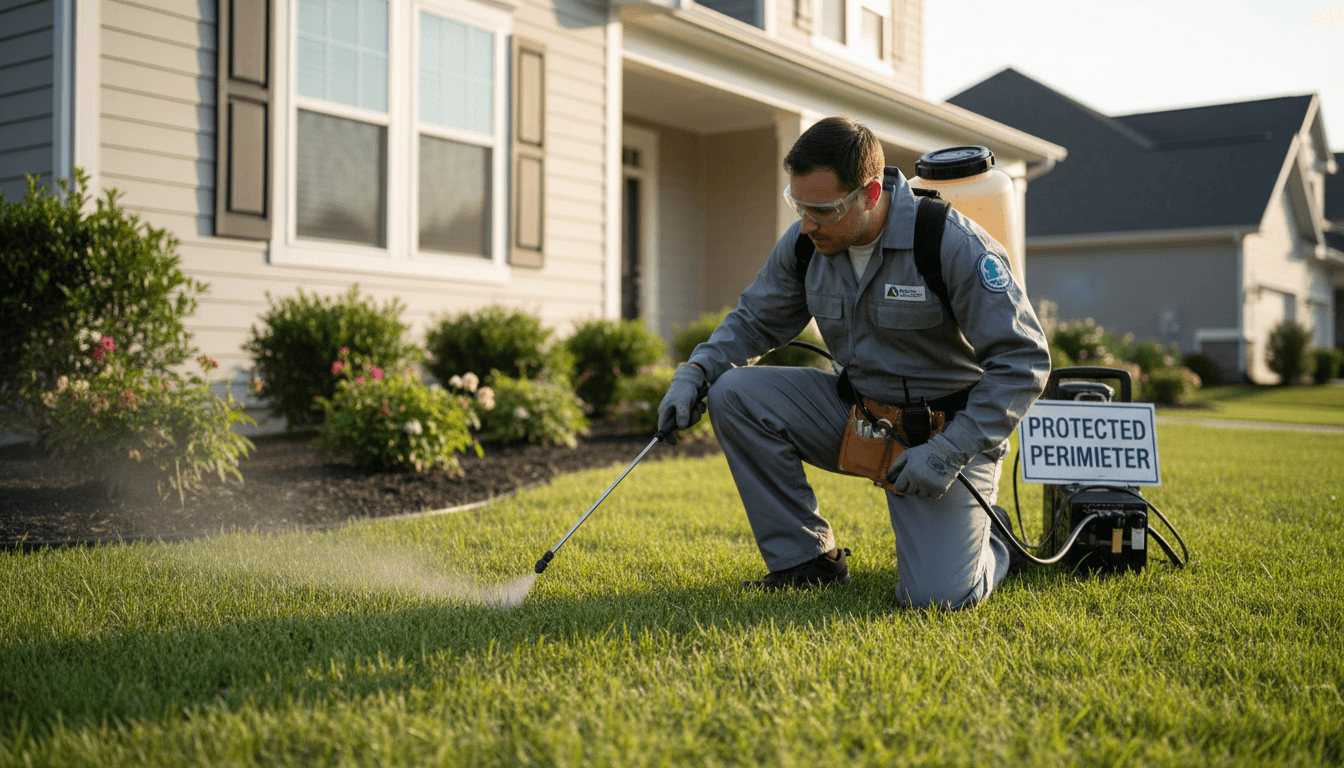
Effective cockroach control Utah involves identifying common species like the German or Oriental roach and sealing entry points to eliminate moisture and food sources. Utilizing professional pest removal services or targeted baiting systems is the most reliable way to prevent infestations from spreading throughout a home; maintaining cleanliness in kitchens and bathrooms further discourages these pests from nesting.
Seeing a cockroach dart across your Fillmore kitchen floor is more than just a momentary fright; it is a clear warning that a hidden, rapidly multiplying colony has likely established itself in your home. These resilient pests thrive in Utah’s unique climate, carrying pathogens and triggering allergies while remaining expert at evading standard cleaning routines. Understanding the specific behaviors of local species is critical, as a failed attempt at removal only gives the infestation more time to grow. In this guide, we will examine the primary differences between the German and Oriental cockroaches common in our area, identify the subtle signs of their presence, and explain why professional grade strategies are necessary for lasting results. You will learn how to protect your property and ensure these invaders do not return.
Are There Cockroaches in Utah? Understanding the Local Threat
It is a common misconception that our high desert climate is too harsh for roaches to survive. In reality, cockroaches are a persistent issue across the state, and effective cockroach control Utah residents can trust depends on understanding how these pests adapt to our local environment. In Fillmore and throughout Millard County, roaches thrive by seeking out the artificial environments we create within our homes and businesses.
We primarily deal with two distinct threats in our region. The German cockroach is the indoor specialist, spending its entire life cycle inside human structures where food and warmth are abundant. Conversely, the Oriental cockroach is the outdoor invader. These are often referred to as water bugs and typically thrive in damp soil or sewers before wandering into a home. While American cockroaches do occasionally appear in Central Utah, the German and Oriental species are the most frequent causes of local infestations.
Because our air is so dry, these insects are biologically driven to find moisture. They congregate in specific micro-climates such as under kitchen sinks, behind water heaters, or within damp crawlspaces. This behavior makes reliable pest management essential, as it requires a targeted approach to reach the hidden, humid voids where these pests cluster to survive the desert heat.
The German Cockroach: Fillmore's Primary Indoor Pest
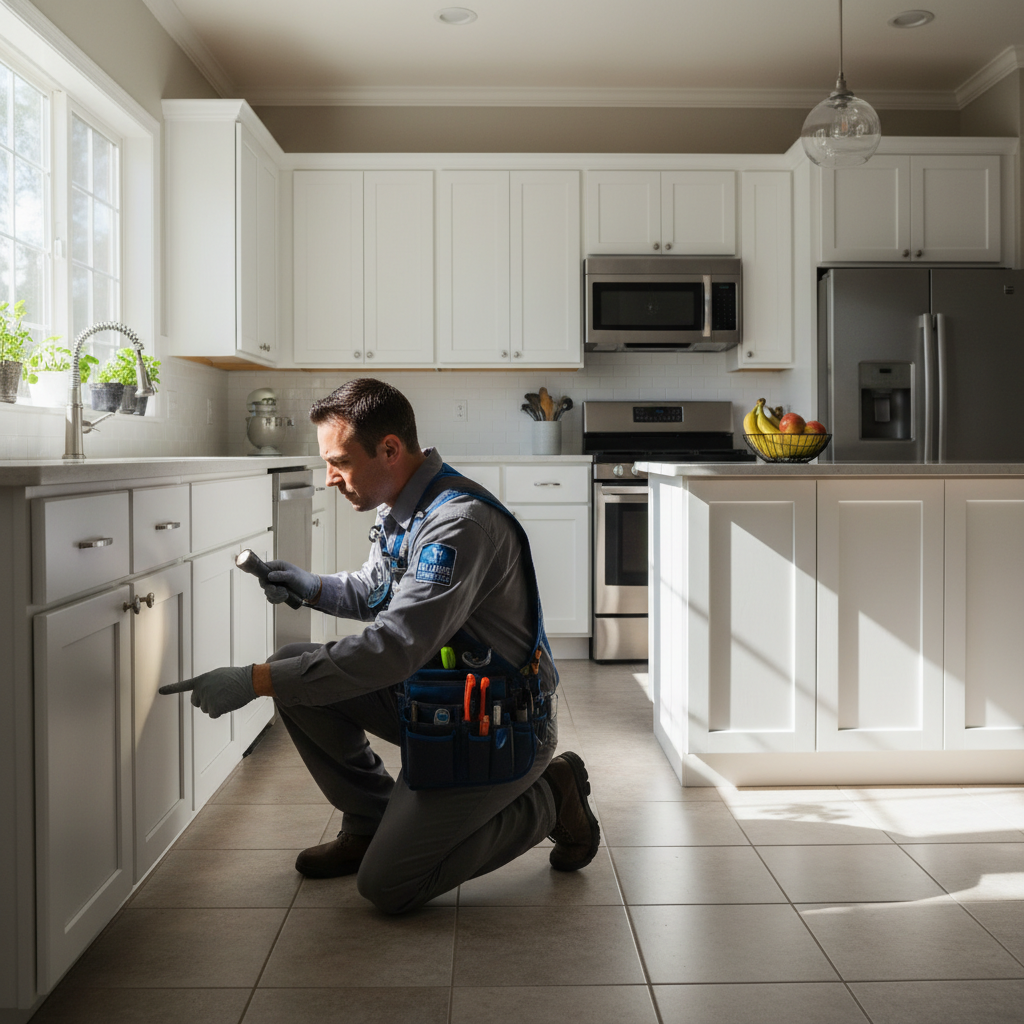
Because the German cockroach is strictly an indoor specialist, it presents a unique challenge for residents in Millard County. These roaches are relatively small, typically measuring between 1/2 and 5/8 inches in length. You can identify them by their light brown or tan coloration and two distinct, dark parallel stripes located on the pronotum, the shield like structure just behind their head.
A common question regarding this species is whether German cockroaches fly. While adults possess wings, they are not capable of sustained flight. They rely instead on their incredible speed to scurry across surfaces and disappear into tight crevices. Unlike many other pests that seek entry through cracks in your foundation, these roaches are notorious hitchhikers. They typically enter Fillmore homes hidden inside grocery bags, cardboard shipping boxes, or used electronic appliances. This method of entry allows them to bypass exterior defenses and settle directly near food and water sources.
This species is widely considered the most difficult roach to manage because of its rapid reproductive cycle. A single female can produce an egg case containing dozens of offspring, leading to an explosive population increase in a very short window of time. Furthermore, German cockroaches have developed significant resistance to many standard supermarket sprays, which often only serve to scatter the colony rather than eliminate it. This resilience is why customized treatment planning is required to address the specific biology of the infestation.
Homeowners should be particularly concerned if they see a German cockroach during daylight hours. Because they are naturally nocturnal and highly secretive, daytime activity usually indicates that the primary nesting sites behind walls or under cabinets are overcrowded. Spotting even one in the kitchen during the day is a strong signal that a substantial, hidden population is already established and requires professional cockroach control Utah residents can rely on to reach the source.
The Oriental Cockroach: The Damp Outdoor Invader
While the German cockroach relies on human movement to enter a home, the Oriental cockroach is a true outdoor invader. Often referred to as a "water bug" by Fillmore residents, this species is significantly larger and darker than its German counterpart. They typically reach about one inch in length and possess a glossy, dark brown or nearly black appearance. These insects do not hitchhike in grocery bags; instead, they represent a "perimeter breach" where the exterior defenses of a structure have failed.
In the arid environment of Millard County, Oriental cockroaches live primarily in cool, damp outdoor locations such as woodpiles, thick mulch, or municipal sewer systems. They enter homes through physical gaps, including spaces under poorly sealed doors, cracks in foundation walls, or openings around basement windows. Their primary motivation for entering a building is the search for moisture. Once inside, they gravitate toward the coolest and dampest parts of the home.
For many homeowners in older Utah residences, these pests are frequently discovered in crawlspaces, utility rooms, or near floor drains. Their presence often indicates an issue with the home's seal or an overlooked moisture source near the foundation. Because their behavior and entry points differ so drastically from indoor-breeding species, effective cockroach control Utah professionals provide must focus on the exterior to interior transition. Addressing an Oriental cockroach problem requires reliable pest management that emphasizes exclusion and the elimination of damp micro-habitats. Utilizing customized treatment planning ensures that the specific entry points of your property are identified and sealed against these sluggish but persistent invaders.
Identifying the Warning Signs: Droppings and Egg Cases
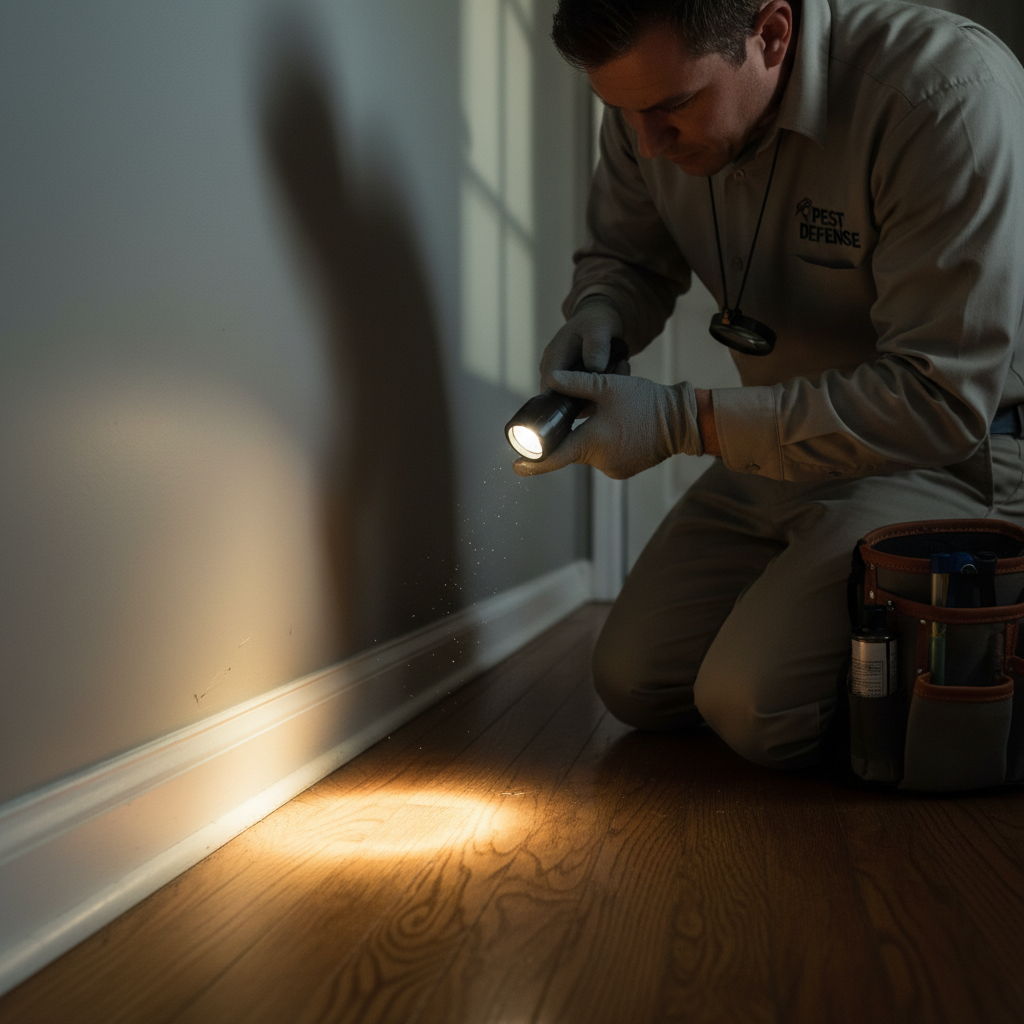
Identifying an infestation early is the most critical step in effective cockroach control Utah homeowners can take to prevent a small problem from becoming a property wide crisis. While these insects are experts at hiding, they leave behind specific physical evidence. The most common sign is fecal matter. German cockroach droppings appear as small specks of black pepper or coffee grounds. In areas of high activity, these specks may appear as dark smears or stains in the corners of kitchen drawers, on top of door frames, or along cabinet hinges. In contrast, Oriental roaches leave behind larger, cylindrical pellets with ridged sides. These can be mistaken for mouse droppings; however, they are smaller and have blunt, squared off ends.
You should also look for the ootheca, which is the protective egg case. German roaches are unique because the female carries her light brown, pill shaped egg case attached to her abdomen until it is nearly ready to hatch. Seeing a roach that appears to have a small tail is a sign of an imminent population explosion. Oriental roaches produce dark, reddish brown or black cases that they drop and glue to hidden, damp surfaces in crawlspaces or utility rooms.
A heavy infestation often produces a lingering, musty or oily odor caused by pheromones. To catch these signs early, Fillmore residents should perform a flashlight inspection of primary moisture zones. Focus on the dark voids behind refrigerators, the warm compressors of appliances, and the areas under sinks where pipes penetrate the drywall. If you spot these warning signs, securing reliable pest management immediately is vital. These markers help us provide customized treatment planning that addresses the specific biology and location of the pests in your home.
Why DIY Cockroach Control Often Fails in Utah
Many Fillmore residents search for natural or overnight solutions to handle infestations, but biology rarely offers a shortcut. A common tactic involves pouring bleach down drains to kill water bugs. This is ineffective because it fails to reach the colony nesting deep in wall voids or under floors, and the corrosive nature of bleach can damage your plumbing over time.
Supermarket sprays often make a situation worse. These products are usually repellent, meaning they kill the few roaches you see while scattering the rest of the colony deeper into your home. This scattering leads to population fragmentation, where a single infestation splits into multiple harder to reach pockets. Furthermore, German cockroaches have developed bait aversion, genetically evolving to avoid the sugars found in many retail gel baits. This makes off the shelf products virtually useless against established populations.
Successful cockroach control Utah residents need requires a nuanced strategy. German roaches demand a source based approach that targets their specific breeding sites with non repellent ingredients. Conversely, Oriental roaches require a barrier based approach focused on the exterior perimeter. A one size fits all DIY kit cannot address these distinct biological needs. For a long term solution, reliable pest management involves customized treatment planning that uses professional grade materials designed to bypass these natural defenses. If DIY efforts have stalled, contact Gobes Pest Control to address the root of the problem.
Proactive Prevention Tips for Fillmore Homeowners

Preventing an infestation is significantly easier than eradicating one. Once we have established a baseline of reliable pest management for your property, maintaining these results requires addressing the specific environmental factors that invite roaches back into your home. In our high desert climate, these pests are biologically programmed to seek out the resources we inadvertently provide.
Moisture control is the most effective deterrent in Central Utah. Because our air is naturally arid, even a small leak becomes a beacon for pests. In Fillmore, many homes utilize evaporative coolers. These units must be checked regularly for leaks that can saturate rooflines or siding, creating a permanent moisture source for Oriental roaches. Internally, ensure that under sink areas are bone dry and that crawlspaces are properly ventilated to prevent the humid micro-climates where roaches thrive.
Exclusion and sanitation form the next line of defense. Use high quality silicone caulk or expandable foam to seal gaps where utility lines, such as water or gas pipes, enter your foundation. These are common entry points for invaders. Inside, focus on the "German roach highway," which is cardboard. The glue in shipping boxes is a food source, and the corrugated layers provide perfect hiding spots. Breakdown and remove all delivery boxes immediately. Additionally, avoid leaving pet food out overnight, as an open bowl of kibble provides enough calories to sustain a growing colony for weeks.
Landscaping choices also impact your home's vulnerability. Keep mulch, leaf litter, and woodpiles at least 20 feet away from your home's siding. Creating a dry, gravel or soil barrier between your plants and the foundation makes the trek toward your home too dangerous for moisture seeking Oriental roaches. Consistent maintenance, combined with customized treatment planning, ensures your property remains unattractive to pests. If you notice roaches despite these efforts, contact Gobes Pest Control to reinforce your home's defenses with professional cockroach control Utah residents can depend on year round.
Managing cockroaches in Utah requires diligence, from sealing entry points to keeping a clean kitchen. While DIY methods offer a starting point, these pests are resilient and often hide in difficult places. If you find yourself needing some expert assistance to ensure your Fillmore home remains clear, our team is ready to support you. You can learn more about our local team and how we approach these challenges with care. Protecting your family from unwanted guests does not have to be a solo effort; we are here whenever you need a professional perspective.