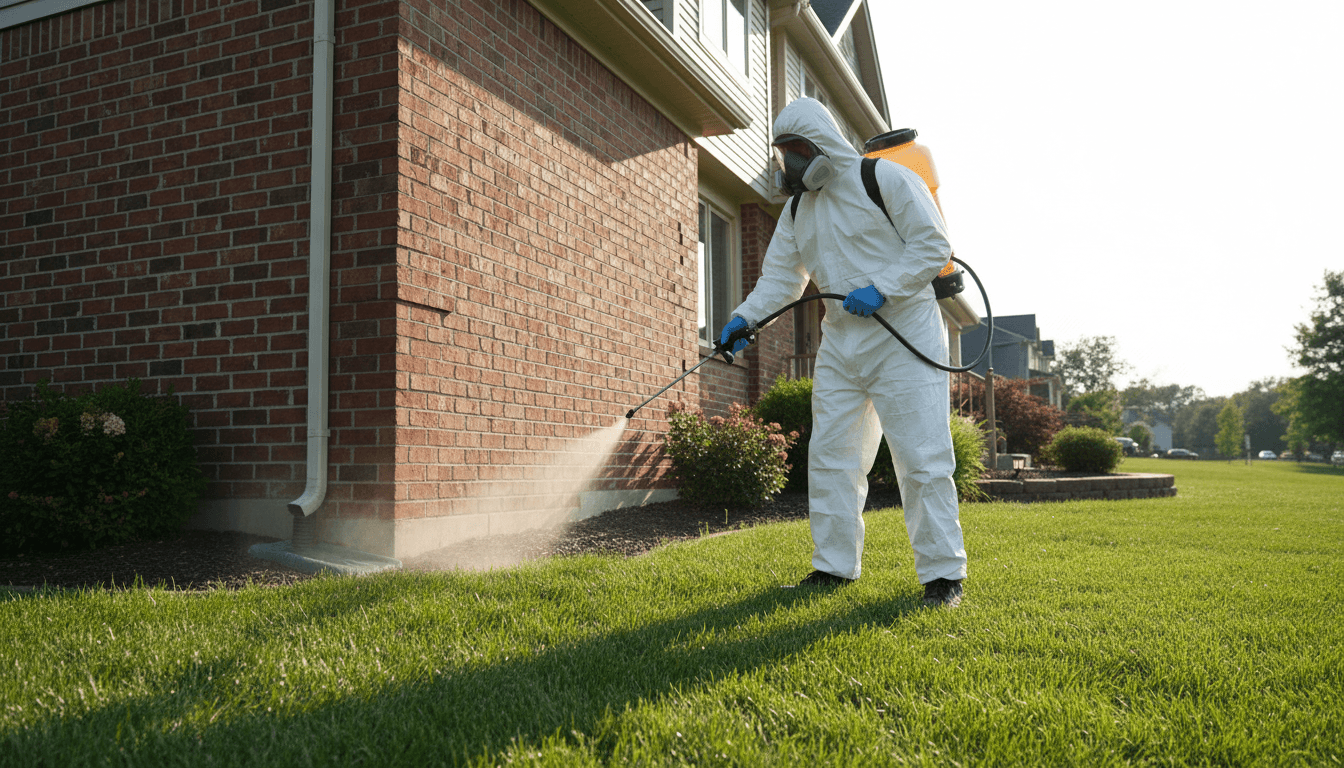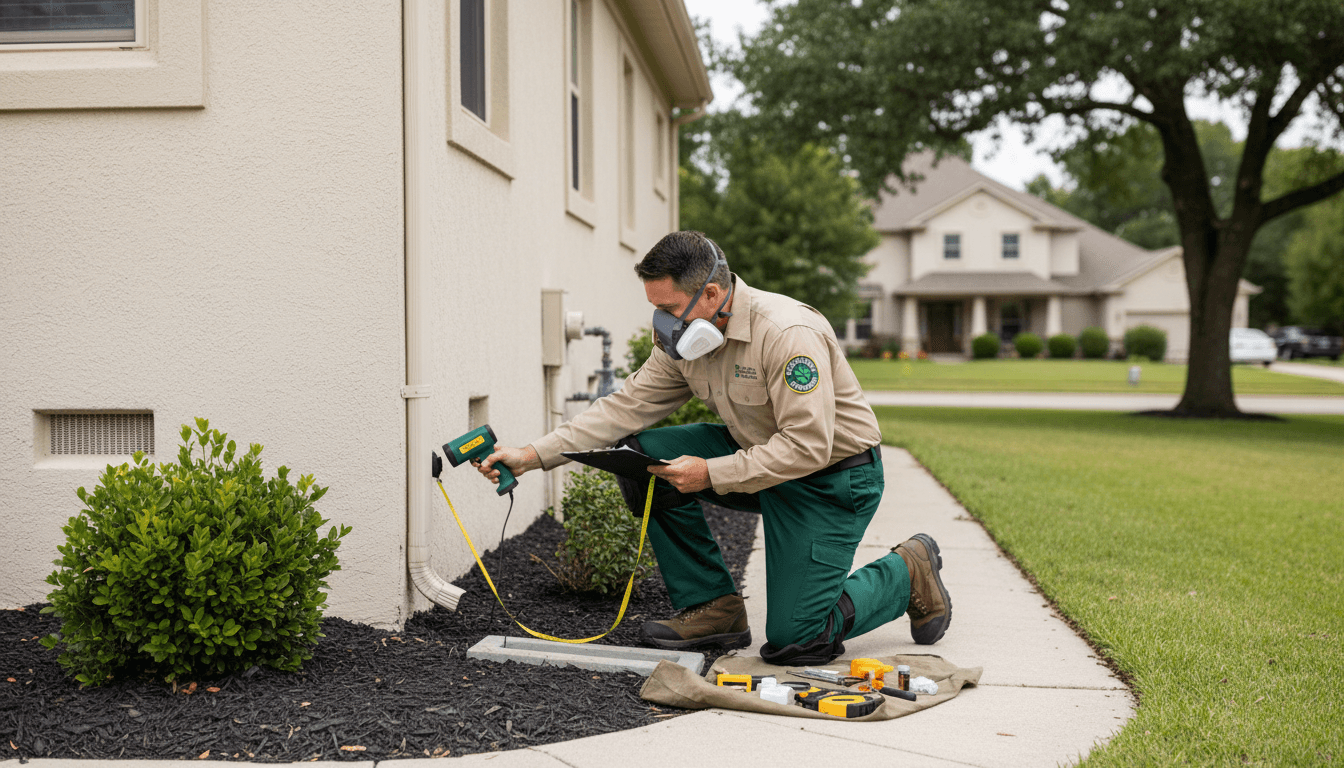
The 2026 pest forecast Utah homeowners should prepare for predicts an early surge in tick, mosquito, and ant activity due to unusually mild winter temperatures. Residents can also expect increased swarming from termites and carpenter ants alongside a rise in invasive fly species throughout the spring and summer months.
Waking up to a trail of ants in your kitchen or hearing the faint buzz of mosquitoes on your patio can turn your Utah home from a sanctuary into a source of stress. For many homeowners in Fillmore and across Central Utah, the battle against pests feels like a moving target every year. Because we experienced a notably mild winter leading into 2026, the local bug population is already preparing for an aggressive season. Understanding these environmental shifts is essential for effective prevention. In this forecast, we will explore the 2026 Bug Barometer to help you navigate the expected surge in ticks, mosquitoes, and termites. You will learn which invasive species to watch for this year and receive an expert checklist to fortify your property before the spring peak arrives.
Understanding the 2026 Bug Barometer for Fillmore and Central Utah
The 2026 pest forecast Utah homeowners are seeing indicates a high pressure season ahead. According to the National Pest Management Association (NPMA) Bug Barometer for the Rocky Mountain region, specific climate patterns are shifting in a way that favors early and aggressive insect activity. In Millard County, the moisture levels recorded throughout the 2025 into 2026 winter, followed by erratic spring temperature swings, have created a perfect storm. This combination acts as a biological trigger, encouraging pests to emerge from dormancy weeks earlier than historical averages as the soil warms and retains necessary humidity.
While national reports provide a broad outlook, our local Fillmore reality is shaped by the unique contrast between high desert terrain and residential development. As residents begin activating irrigation systems to combat the arid climate, they inadvertently create artificial oases. These localized moisture sources attract foraging ants, spiders, and rodents that would otherwise struggle in the open desert. Navigating this surge requires comprehensive residential pest control strategies that account for these early emergence patterns. Addressing these vulnerabilities during the initial spring thaw is critical, as safe and targeted treatments applied now can disrupt colony growth before summer temperatures allow populations to peak.
The 2026 Tick and Mosquito Surge: Why a Mild Winter Changes Everything
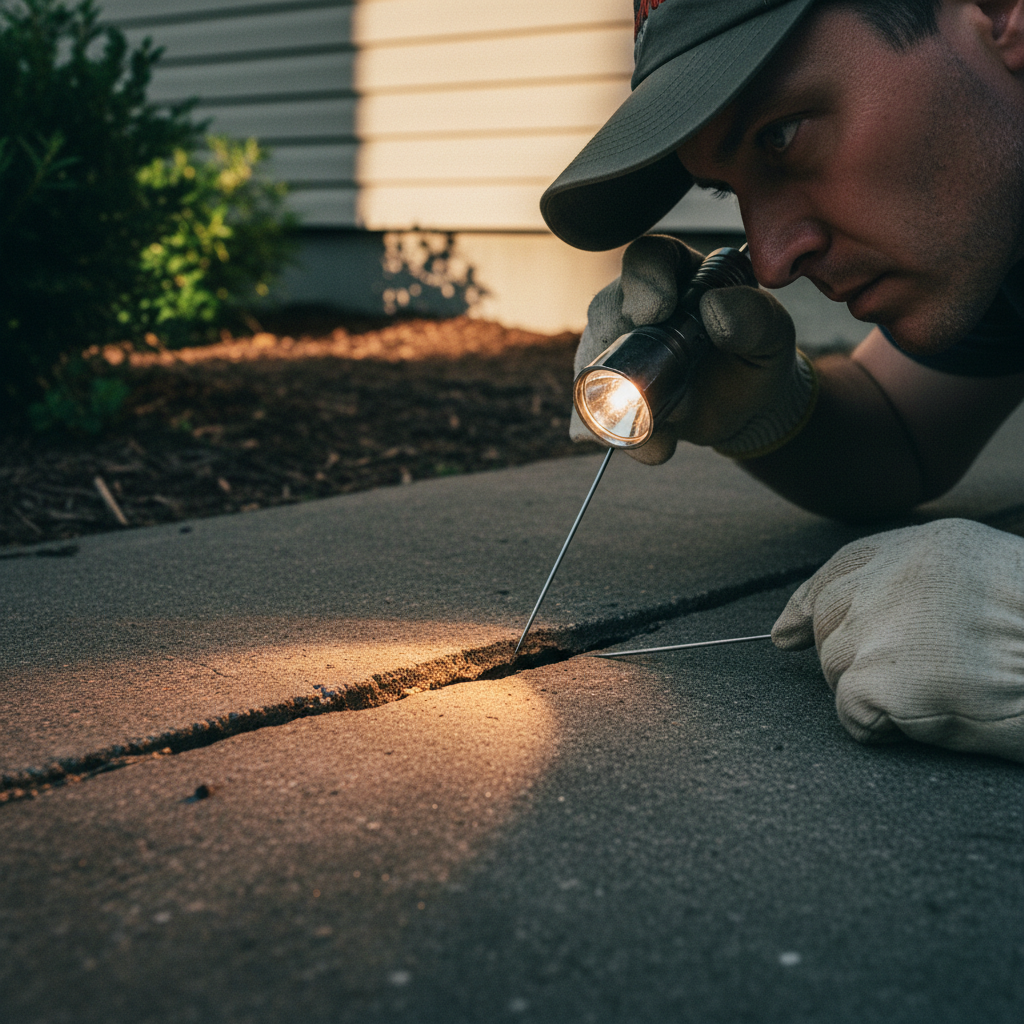
Homeowners across Millard County are increasingly asking if 2026 will be a bad year for ticks. According to current 2026 tick forecast maps, the answer is yes. The biological reason lies in the unusually mild winter temperatures we experienced. Typically, deep freezes act as a natural population control, killing off a significant percentage of overwintering eggs and larvae. Without those sustained freezing temperatures, survival rates for these vector pests have skyrocketed, meaning the population begins the spring at a much higher baseline than usual.
Mosquitoes are following a similar trajectory. While the arid high desert climate usually keeps them in check, the 2026 pest forecast Utah residents are monitoring suggests that spring runoff will create unique challenges. Early warm spells in March and April accelerate snowmelt, which often collects in stagnant pockets before the ground is dry enough to absorb it. These temporary pools provide ideal breeding grounds for mosquito larvae long before the traditional bug season begins. These conditions are particularly conducive to the early development of larvae that would otherwise remain dormant until later in the year.
In Fillmore, the local geography often leads to water pooling in areas that homeowners might overlook. To mitigate these risks, we recommend a thorough inspection of your property immediately following the first major thaw. Focus on cleaning debris from gutters that may have sagged under winter snow and leveling low spots in your yard where runoff tends to sit. By eliminating these water sources early, you disrupt the life cycle of these pests. If you notice early activity, safe and targeted treatments can prevent these populations from becoming unmanageable as the summer heat intensifies.
Swarmers on the Rise: Ants and Termites in 2026
The reproductive cycle of wood-destroying insects is hitting a peak in the 2026 pest forecast Utah residents are currently facing. When colonies reach maturity, they produce swarmers, which are winged ants or termites tasked with leaving the nest to establish new satellite colonies. Because of the early warming trends in Millard County, entomologists are observing a phenomenon of early colony maturation. This means swarmers are taking flight weeks ahead of schedule, looking for soft, moisture-damaged wood in Fillmore foundations and deck posts.
Subterranean termites and carpenter ants are predicted to be notably aggressive this season. A growing concern in the industry is the emergence of hybrid termite traits, where insects demonstrate the high wood-consumption rates typical of southern species alongside the extreme cold tolerance required to survive Utah winters. This combination makes them a formidable structural threat. While a simple nuisance ant might just be looking for a sugar source in your kitchen, these swarmers represent a deep-seated risk to the integrity of your property.
Distinguishing between the two is vital for proper treatment. Termites have straight antennae and equal-length wings, whereas carpenter ants have elbowed antennae and wings of unequal length. Because these insects often remain hidden within wall voids until the swarm occurs, finding discarded wings on windowsills is a major red flag. Relying on comprehensive residential pest control is the most effective way to identify these specific entry points. Proactive intervention is necessary because once a colony matures enough to produce swarmers, the internal damage to the structure is likely already underway.
Invasive Species Watch: What is the Invasive Bug in Utah for 2026
Building on the pressure from native swarmers, the 2026 pest forecast Utah homeowners are following highlights a new threat: the Spotted Lanternfly. The Utah Department of Agriculture and Food has flagged 2026 as a critical year for monitoring this invasive species as it moves into the Intermountain West. Unlike native pests that migrate naturally, these insects spread primarily through human activity. They lay inconspicuous, mud-colored egg masses on firewood, trailers, and the undercarriages of vehicles, allowing them to travel hundreds of miles along corridors like I-15 in a single season.
In Fillmore, the risk is highest for properties with fruit trees, grapes, or ornamental maples. Residents should watch for 'weeping' wounds on tree trunks that leave behind a sticky residue known as honeydew. This substance often leads to the growth of black, sooty mold, which can kill garden plants. If you notice these signs or see a moth-like insect with spotted forewings and bright red hindwings, contact our expert team immediately. Early intervention through safe and targeted treatments is essential to prevent these invasive populations from establishing a foothold in Millard County.
The Hardest Pests to Get Rid of This Season

While invasive species attract headlines, three perennial threats are proving exceptionally difficult to manage within the current 2026 pest forecast Utah landscape. Bed bugs have surged due to increased regional travel and their ability to hitchhike into Fillmore homes unnoticed. Unlike simple garden pests, bed bugs are masters of concealment; they often hide in electrical outlets and behind baseboards where standard retail sprays cannot reach.
Cockroaches are equally problematic this season because of documented resistance to common active ingredients found in big-box store products. These resilient populations thrive in Utah’s indoor environments, rapidly reproducing even after initial DIY attempts. Similarly, established carpenter ant colonies present a structural challenge that goes far beyond the occasional kitchen intruder. Homeowners often make the mistake of spraying visible foragers, which can merely trigger a defensive response known as budding, causing the colony to split and spread deeper into the home’s framing.
Successfully eliminating these persistent threats requires comprehensive residential pest control that targets the heart of the infestation. Rather than relying on broad applications that only address surface-level activity, safe and targeted treatments utilize professional-grade baits and non-repellent residuals to reach the queen and the primary nest. To ensure your property is fully protected from these difficult-to-eradicate species, contact our expert team for a thorough structural assessment and customized management plan.
Environmentally Responsible Pest Management in Fillmore
Managing these resilient infestations requires a shift away from dated, heavy-handed methods. Many residents ask how to achieve effective results while maintaining an environmentally friendly home. At Gobes Pest Control, we utilize Integrated Pest Management (IPM) as our primary framework. This modern standard prioritizes exclusion and habitat modification, such as sealing structural gaps and addressing the moisture issues highlighted in the 2026 pest forecast Utah.
By focusing on the root cause of an infestation, we deliver safe and targeted treatments that remain highly effective against the predicted 'super colonies' of ants and termites without resorting to unnecessary blanket spraying. This precision is vital for protecting the health of children and pets in Fillmore homes. Our approach combines biological insights with professional-grade materials to create a barrier that lasts. If you want a plan that respects your property and the local ecosystem, contact our expert team to discuss a customized, comprehensive residential pest control strategy for the upcoming season.
Spring Prep Checklist: How to Prepare Your Utah Home

Early action during March and April represents the most effective window for intervention. Taking these tactical steps now aligns with the 2026 pest forecast Utah residents are facing, providing a physical and environmental barrier before the summer heat drives large populations into living spaces.
Clear Foundation Debris: Utah's notorious spring winds frequently deposit organic litter, tumbleweeds, and leaves against a home's perimeter. This debris creates a damp, shaded micro-habitat for spiders and beetles. Removing these piles eliminates their primary cover and reduces the likelihood of them migrating indoors.
Audit Weather Stripping: The extreme temperature drops of the past winter cause seals around doors and windows to contract and eventually crack. Even small gaps are large enough for foraging ants or spiders to exploit. Inspect and replace worn sweeps or caulking to restore your home's physical perimeter.
Calibrate Irrigation Timers: In the high desert climate of Millard County, it is common to over-compensate with water once the ground thaws. However, saturating the soil directly adjacent to your foundation invites subterranean termites and other moisture-seeking pests. Adjust your timers to prevent water from pooling near the structure.
Examine Crawl Spaces: Check for signs of damp insulation or standing water caused by spring runoff. Proper ventilation and intact moisture barriers are essential to prevent the structural wood rot that attracts wood-destroying organisms.
While these manual steps are vital, they work most effectively when paired with comprehensive residential pest control. Professional inspections can identify hidden entry points or early-stage colonies that are difficult to spot. For those seeking safe and targeted treatments to secure their property for the season, contact our expert team to schedule a spring assessment and ensure your home remains protected throughout the year.
Predicting the pest trends for 2026 helps you stay one step ahead of potential invasions in your Utah home. While keeping up with basic prevention is essential, some seasons bring challenges that require a more tailored strategy. If you want expert help navigating the unique pest landscape of our region, you can learn more About our dedicated team and our approach to local pest management. We are always ready to assist you in maintaining a peaceful, pest-free environment all year long.