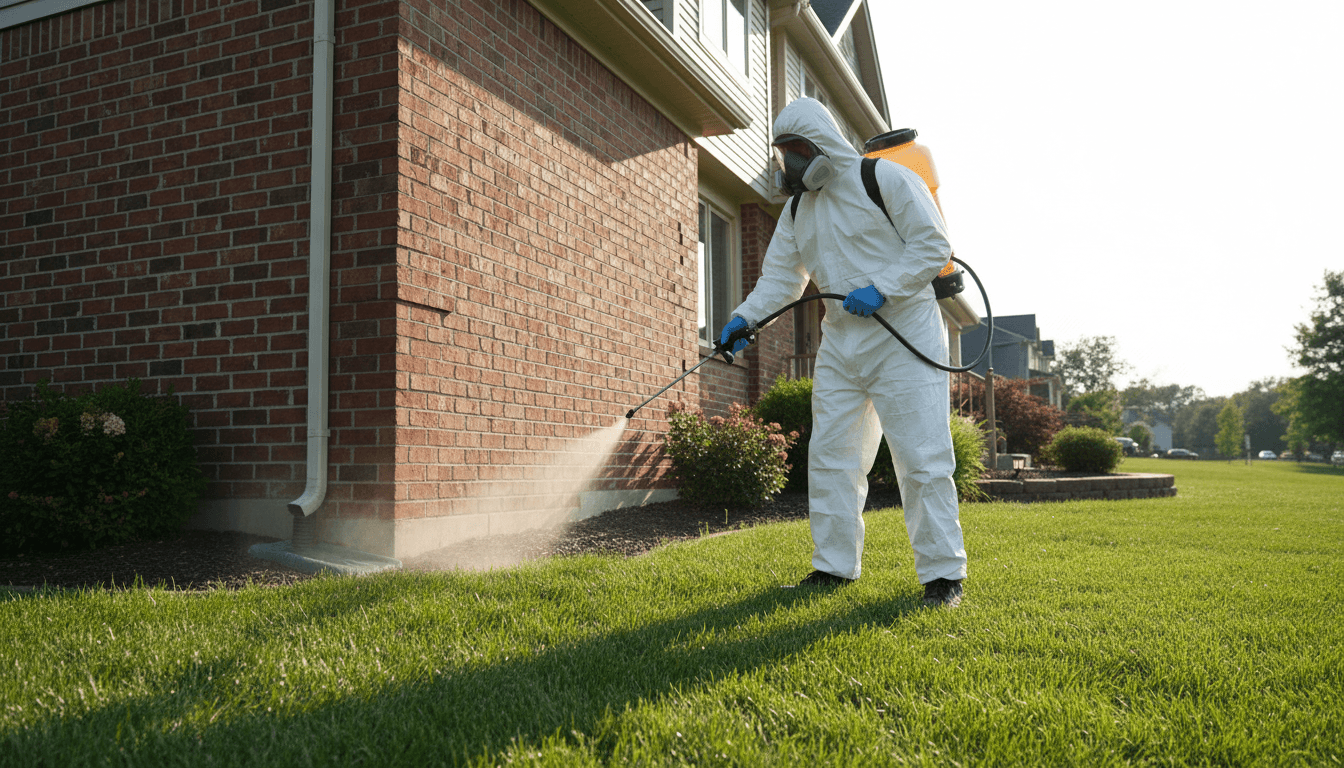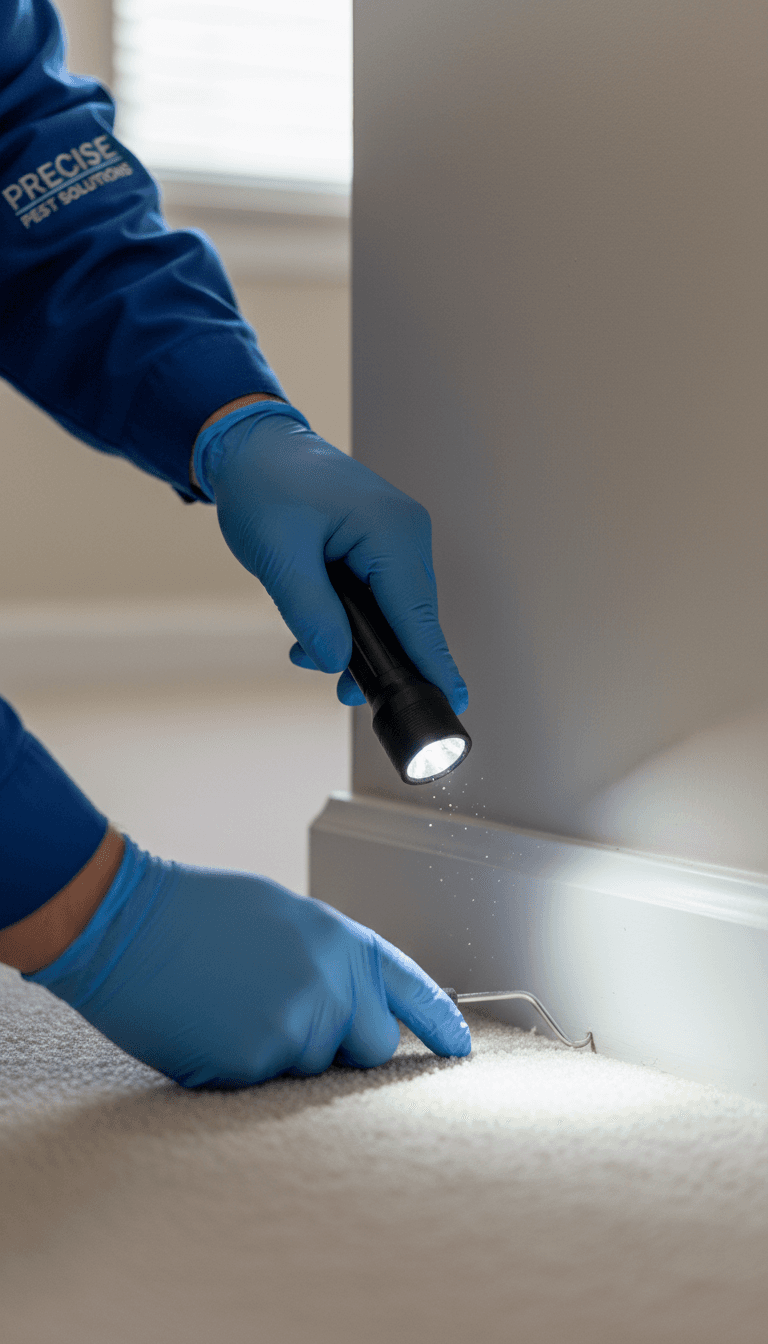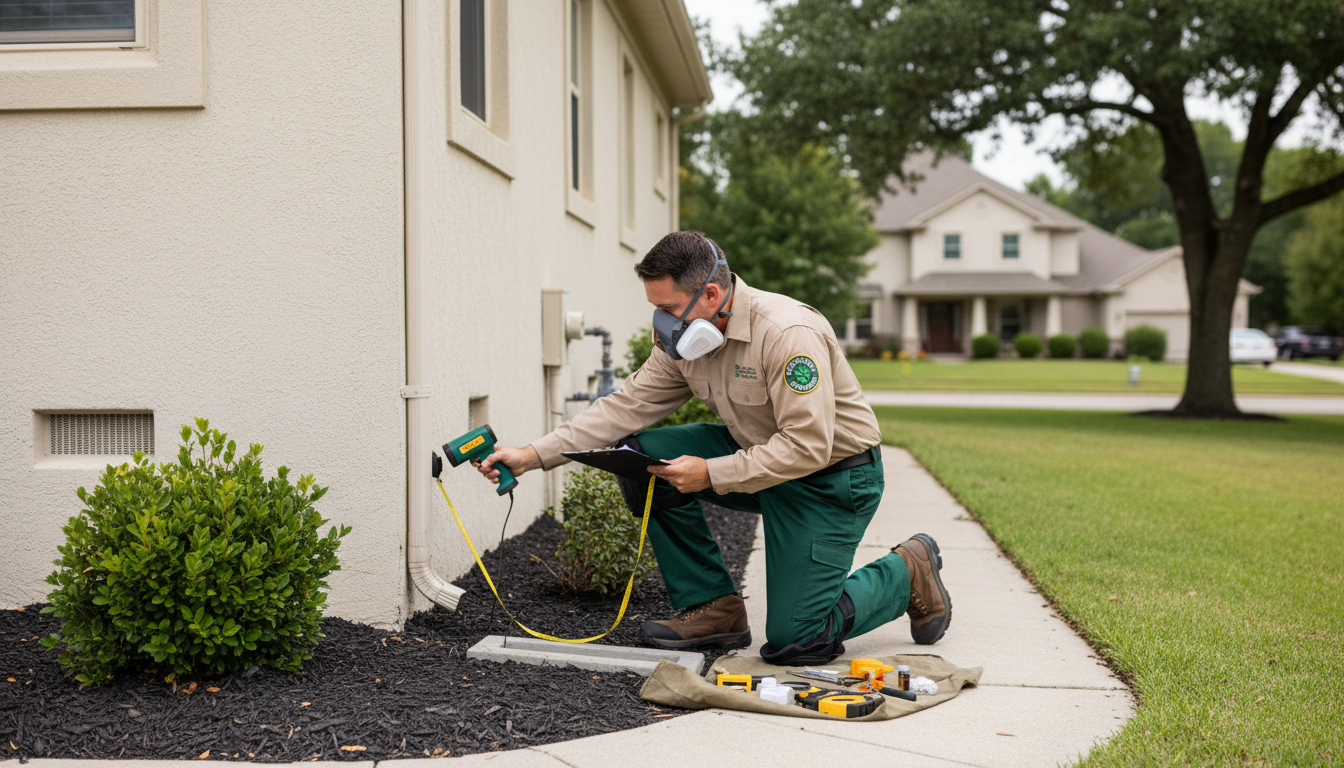
Mice enter Fillmore homes through tiny exterior cracks and utility gaps to find warmth, food, and nesting sites during the cold months. Consistent rodent control Utah winter efforts, such as sealing openings larger than one-fourth inch and eliminating food access, are necessary to prevent these pests from establishing permanent year-round residences.
As the temperatures drop in Fillmore, Utah, the quiet of a winter night is often interrupted by the unsettling sound of scratching inside your walls. While you are seeking refuge from the snow, local rodents are doing the exact same thing, identifying the smallest gaps in your foundation to claim your home as their own. This seasonal migration is more than a temporary nuisance because once mice establish a nest, they rarely leave on their own accord. At Gobes Pest Control, we understand that effective winter management requires a proactive approach that addresses vulnerabilities before they become infestations. This guide explains the specific entry points rodents use, the biological reasons they remain through the summer, and how professional exclusion methods protect your property. You will learn how to spot early warning signs and why sealing your home against the dime rule is the first line of defense for year round comfort.
Why Winter Rodent Control in Utah Starts Long Before the First Snow
In Fillmore, the transition from fall to winter is sharp. As the mercury drops across Millard County, local rodents undergo a significant shift in behavior. For homeowners, effective rodent control Utah winter strategies actually begin when the air first turns crisp, well before the heavy snow hits the Pahvant Range.
Mice possess an acute ability to detect temperature gradients. The warm air leaking from poorly sealed utility lines, attic vents, or cracks in a foundation acts as a heat beacon. In the cold central Utah climate, these plumes of warmth guide mice directly to the vulnerabilities in your home’s exterior. They are not just wandering by chance; they are following the thermal trail provided by your heated living spaces.
A common misconception is that mice hibernate or die off when the ground freezes. In reality, they become more active indoors. While their outdoor food sources dwindle, your pantry and wall voids offer a premium alternative for survival. Securing residential pest control early prevents these pests from finding that initial foothold.
This indoor activity is not a temporary retreat. If a colony establishes itself in the safety of a heated structure during the first cold snap, they transition from seasonal guests to permanent residents. Without reliable pest management services to intercept them at the source, a small winter intrusion quickly evolves into a year round infestation that persists long after the spring thaw.
The Dime Rule: Identifying Common Mouse Entry Points Around Your Foundation
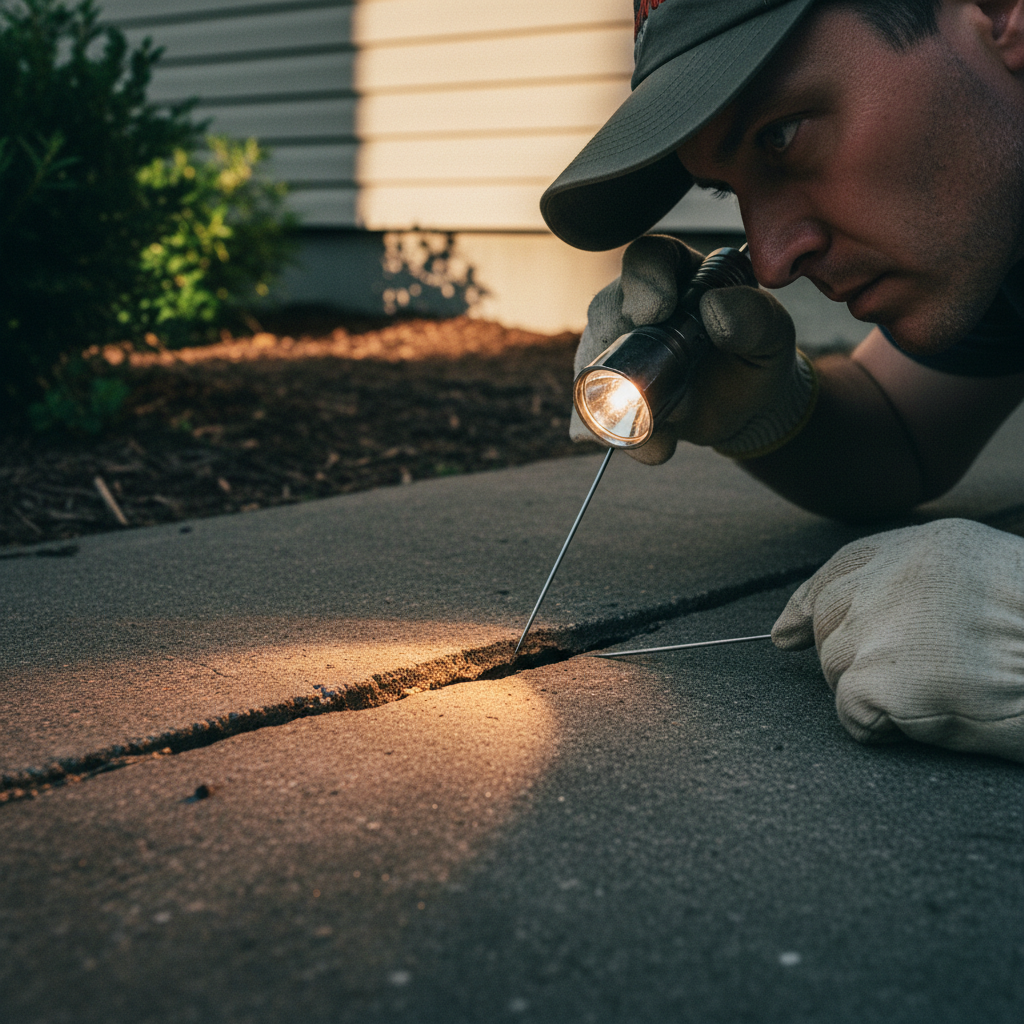
Understanding how these pests follow heat beacons is the first step, but identifying their specific access points is where effective rodent control Utah winter tactics become highly technical. Most homeowners underestimate the physical capabilities of a common house mouse. We follow the dime rule: if you can fit a standard U.S. dime into a gap, a mouse can compress its body and pass through it. According to Utah State University Extension research, any opening larger than one-fourth of an inch is a potential doorway for a rodent.
In Fillmore, the structural style of a home often dictates where these vulnerabilities lie. In older properties near the city center, weathered concrete foundations often develop hairline fractures that expand over time due to the freeze-thaw cycles of the Pahvant Range. These cracks, while appearing superficial, often lead directly into crawl spaces or wall voids. In newer constructions, the risks are different but equally prevalent. Weep holes in brickwork, designed for moisture drainage, are frequently left unprotected, providing a perfect corridor for mice to enter the wall envelope.
Pay close attention to where utility lines enter the structure. Gas, water, and electrical conduits often have gaps where the pipe meets the siding or foundation. Over time, the sealant around these penetrations degrades, leaving a 1/4 inch space that acts as an open invitation. Additionally, garage doors are a notorious weak point. If the bottom rubber seal is brittle or if the door does not sit flush against the concrete, rodents will slip underneath and move from the garage into the heated living areas.
Identifying these subtle openings requires a trained eye. While some gaps are obvious, many exist behind appliances or within poorly sealed crawl space vents that are difficult to access without professional equipment. If you suspect your foundation is compromised, you can contact our team for a comprehensive inspection to secure these entry points before the population establishes a permanent nest.
Why Mice Stay Through the Spring and Summer: The Nesting Cycle
A frequent question we encounter is whether mice leave in the spring when the weather warms. The reality is that once a mouse finds safety, consistent food, and protection from predators within a Fillmore home, it has no biological reason to vacate. Outside, they face threats from the local raptors and snakes common in the Pahvant Range, along with fluctuating food supplies. Inside, your pantry and the debris behind appliances offer a stable environment that supports year round survival.
This transition from temporary visitor to permanent resident is fueled by their aggressive breeding cycle. The five day mouse rule is a concept often used to describe the perceived explosion of a population. While a mouse’s gestation period is roughly 20 days, the frequency of litters and the rapid development of the young mean that a few undetected rodents in January can result in dozens of active pests by May. A single female can produce up to ten litters a year, meaning the population grows exponentially rather than linearly.
Mice secure their status as residents by nesting in areas that provide a temperate microclimate. In the peak of a Utah summer, the scorched outdoors is just as dangerous as the freezing winter. By nesting in attic insulation or wall voids, rodents utilize your home’s climate control and insulation to stay cool. This nesting behavior causes significant damage, as they soil fiberglass batts and chew through vapor barriers to create these dens. Without professional residential pest control, these established nests become the base of operations for a colony that will never voluntarily return to the wild.
Signs of Rodents in Attics and Walls: What to Listen and Look For

Identifying a hidden population requires tuning into your home’s subtle changes, as rodents are masters of remaining unseen. Most homeowners first detect an issue through auditory cues. Because mice are nocturnal, you are most likely to hear them when ambient noise levels drop in the evening. Listen for distinct scratching, scurrying, or faint squeaking sounds emanating from behind drywall or above ceiling panels. These sounds indicate that rodents are using your wall voids as highways to move between their nesting sites and food sources.
Visual evidence provides the most concrete data regarding the size and status of an infestation. If you find droppings in your attic or pantry, their texture and color are critical indicators. Fresh droppings are typically dark, moist, and soft, suggesting an active, ongoing presence that requires immediate reliable pest management services. Conversely, older droppings appear gray, dull, and will crumble easily when touched with a tool. Finding a mix of both fresh and old droppings indicates a long term infestation that has successfully navigated multiple seasons.
Olfactory signs often follow, especially in areas with limited airflow. A persistent, musty odor similar to ammonia is a hallmark of rodent urine. This smell becomes more concentrated as the population grows and is often strongest near nesting sites in crawl spaces or attic corners. If you notice this scent, it is vital to contact our team for a thorough inspection before the situation worsens.
Beyond the smell, the physical damage to attic insulation presents a hidden cost to homeowners. Rodents do not just live in insulation; they destroy its functionality. By tunneling through fiberglass batts, they compress the material and destroy the air pockets required for thermal resistance. This degradation leads to a significant drop in energy efficiency, making it harder to maintain a consistent temperature during the peak of a Utah winter. These soiled nesting materials also harbor bacteria and allergens, transforming your attic into a potential health hazard that requires professional residential pest control to remediate safely.
Professional Exclusion vs DIY Fixes: Protecting Your Fillmore Property

Moving from identifying signs to taking action requires choosing between temporary fixes and permanent solutions. Many Fillmore residents turn to hardware store remedies like steel wool or snap traps, but these often fail to provide long term rodent control Utah winter protection. Steel wool is particularly problematic in our local climate; it reacts to moisture and snowmelt by rusting and breaking down, eventually creating a brittle mess that rodents can easily bypass or push aside. Furthermore, retail traps only address the symptoms of an infestation without addressing the structural vulnerabilities that allowed entry in the first place.
Professional exclusion utilizes materials designed for durability and resistance to the elements. Our team uses professional grade copper mesh, which does not corrode, and high strength mortar to plug gaps in foundation masonry. This method transitions the focus from simply killing individual mice to structurally securing the building envelope. By addressing the root cause, we ensure that new individuals cannot replace those removed during the initial treatment phase.
The Gobes Pest Control approach centers on a comprehensive evaluation that looks deeper than surface level gaps. While a homeowner might see a space under a door, a trained technician looks for hidden runways in crawl spaces, rub marks along wall studs behind large appliances, and disturbed insulation in remote attic corners. Identifying these secret travel paths allows for targeted treatment rather than a scattershot approach. Effective residential pest control involves a strategic plan to seal every opening larger than a dime while simultaneously removing the existing population. For a permanent solution that goes beyond the shelf at the hardware store, you should contact our team to schedule a detailed site assessment. Our reliable pest management services prioritize long term structural integrity, ensuring your property remains a fortress against seasonal invaders.
Maintaining a Rodent Free Environment Year Round

Maintaining a rodent free home in Fillmore requires consistent vigilance beyond initial exclusion. Start with your landscaping by ensuring all shrubs, tall grasses, and woodpiles remain at least 18 inches away from the foundation. Overhanging branches act as bridges to your roof and attic vents, bypassing ground level defenses.
Inside, focus on eliminating food sources. Store pet food, grains, and baking supplies in airtight glass or heavy duty plastic containers rather than original cardboard packaging. Small crumbs under appliances or in pantry corners provide enough calories to sustain a colony, even after a successful rodent control Utah winter treatment.
Regular professional inspections are a necessary investment for long term property protection. Rodents possess teeth that grow continuously, driving them to gnaw on structural timber and electrical wiring, which often leads to costly repairs or fire risks. Consistent monitoring through reliable pest management services identifies new settling cracks or worn seals before they become entry points. To schedule a seasonal walkthrough, you can contact our team to ensure your residential pest control strategy remains effective against the changing central Utah seasons.
Understanding how mice exploit small gaps is the first step toward keeping your Fillmore home secure throughout the colder months. While DIY sealing and sanitation efforts make a significant difference, long term control often requires a more comprehensive strategy. If you want expert help identifying hidden entry points or managing an existing infestation, our team is ready to assist. You can learn more about our approach to local pest management and our commitment to protecting your property from seasonal invaders year round.