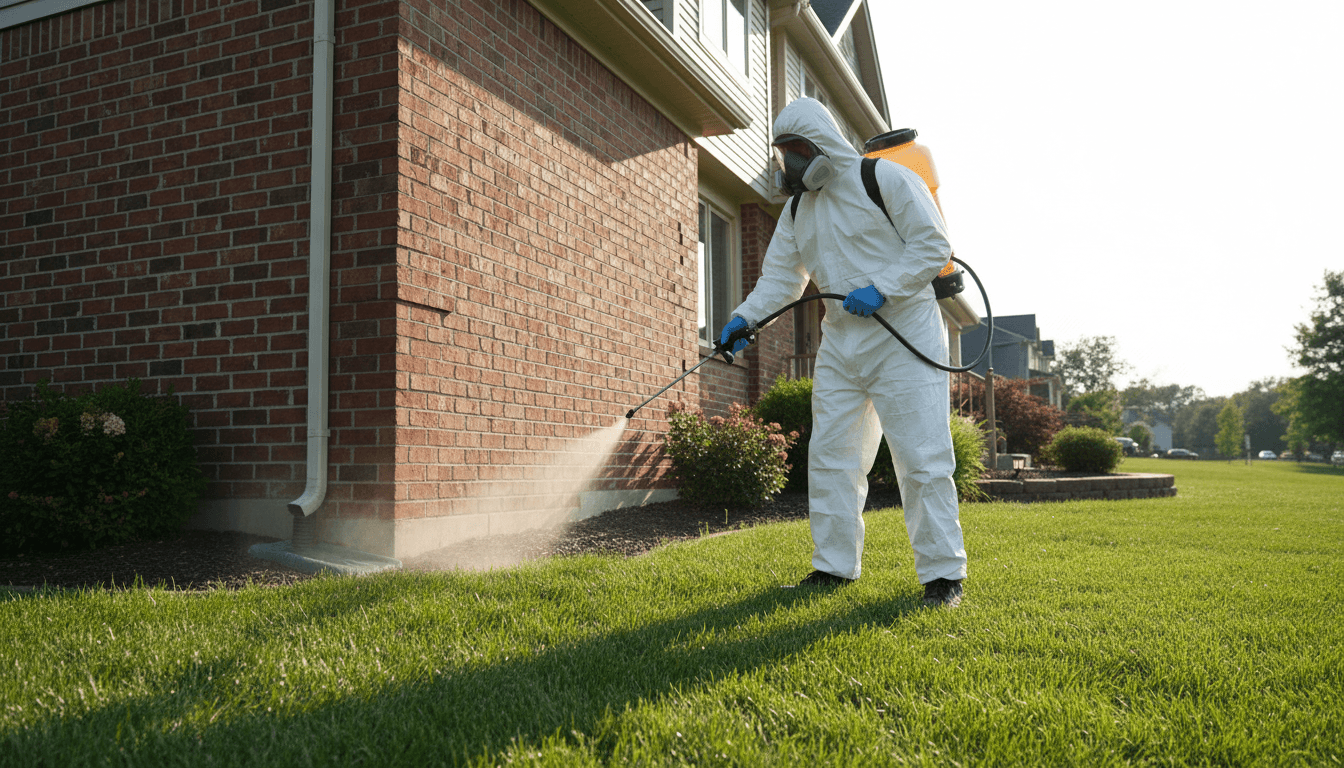
Utah's mild winter temperatures have led to a significant surge in pest populations, making professional tick and mosquito control Utah yard services essential for protecting your property this year. Homeowners can further minimize risks by eliminating standing water where mosquitoes breed and clearing tall grass or brush where ticks typically hide.
As a Utah homeowner, you likely look forward to spending evenings in your backyard; however, the recent surge in tick and mosquito activity across Fillmore has turned relaxing retreats into battlegrounds. This year is proving particularly difficult for local families because a wet spring followed by rising temperatures has created the perfect storm for pest populations to thrive. Beyond the simple irritation of itchy bites, these pests represent serious health risks, including West Nile Virus and various tickborne illnesses that are becoming more prevalent in Central Utah. In this guide, we will explore the specific reasons why 2026 is a record breaking year for these insects. You will also learn practical landscape management strategies to minimize breeding grounds, along with how professional intervention can effectively safeguard your outdoor living space for the season ahead.
Why 2026 is Shaping Up to Be a Record Year for Pests in Utah
The 2026 forecast indicates a significant surge in pest activity across the state, primarily driven by a historically mild winter and an unseasonably warm start to spring. In Fillmore, we are seeing the direct effects of these environmental shifts. When temperatures stay above freezing for longer periods during the winter, a higher percentage of overwintering ticks and mosquito eggs survive into the following year. This lack of a hard kill winter means we are starting the season with a much larger baseline population than usual.
Utah's specific climate cycles play a major role in these population densities. Unlike more humid regions, our pest numbers are often dictated by the timing of snowmelt and subsequent heat spikes. The early arrival of warmth in 2026 has accelerated biological clocks, allowing ticks and mosquitoes to emerge weeks ahead of schedule. For homeowners, this means that the window for effective tick and mosquito control Utah yard maintenance has shifted significantly earlier into the spring. Faster emergence leads to more reproductive cycles, potentially doubling the population pressure by mid summer.
Fillmore is particularly vulnerable because of its unique geography. Many properties here feature a blend of manicured residential lawns that back right into natural brush, sagebrush, and foothills. This edge effect creates a perfect corridor for pests to move from wild habitats into backyard spaces. Reading about about our local expertise helps in understanding how these local patterns allow us to anticipate infestations before they reach record levels. By addressing these climate driven cycles early, we can mitigate the impact of what is shaping up to be a very buggy year for Millard County families.
The Rise of Tickborne Risks in Central Utah
While many people associate ticks with the dense forests of the Pacific Northwest or the Eastern Seaboard, Central Utah is currently facing its own distinct parasitic challenges. The primary culprit in Millard County is the Rocky Mountain Wood Tick. When residents ask, "Is Utah having a tick problem?", the localized evidence points to an undeniable increase in activity. This is not merely a matter of higher populations in the wilderness; it is a matter of these pests shifting their proximity to human dwellings.
The health risks associated with these arachnids are significant, specifically the transmission of Colorado tick fever and Rocky Mountain spotted fever. These are not distant threats; they are present in the local ecosystem. Ticks are increasingly found along the brushy property edges common in the Fillmore area, a migration largely driven by deer activity. As deer move from the foothills into residential zones to forage, they act as primary transport for ticks, dropping them directly into backyard grasses and garden borders.
This encroachment means that the buffer between wild habitats and your living space is shrinking. Effective comprehensive pest management services are now essential for property owners who want to reclaim their outdoor spaces. Ensuring your tick and mosquito control Utah yard strategy accounts for these wildlife corridors is the first step in reducing the risk of a bite in your own home environment.
Mosquitoes and the Growing Threat of West Nile Virus
The shrinking buffer between wild habitats and residential yards also facilitates the early arrival of mosquitoes, which are currently emerging across Millard County at an accelerated pace. Recent data indicates high rates of West Nile Virus detections across the state, making early intervention a matter of public health rather than just outdoor comfort. The warm 2026 spring temperatures have triggered hatching cycles weeks ahead of the historical average, leaving little time for homeowners to prepare.
We often observe a paradox during drier years in Central Utah. While heavy snowpack runoff creates floodwater mosquitoes, drought conditions frequently lead to higher concentrations of West Nile Virus. As natural water sources dry up, mosquitoes and birds, which are the primary carriers of the virus, are forced into closer proximity around remaining urban water sources. In Fillmore, this means stagnant water in clogged rain gutters, neglected birdbaths, or shaded low spots in irrigation ditches becomes a concentrated breeding ground. These small, nutrient-dense pools are particularly attractive to the Culex mosquito species, the primary vector for the virus. Managing these micro-environments is a critical component of a functional tick and mosquito control Utah yard plan. Addressing these specific breeding sites through comprehensive pest management services ensures that even a dry season does not result in a localized outbreak near your porch or patio.
Landscape Management: How to Keep Ticks Out of Your Yard Naturally

Managing the physical environment is a highly effective way to disrupt the tick life cycle without immediate chemical intervention. In Fillmore, many properties border natural scrubland where ticks thrive. To create a definitive line of defense, homeowners should install a three foot wide barrier of wood chips or gravel between the lawn and any wooded or brushy areas. Ticks are sensitive to desiccation and generally avoid crossing these dry, high temperature zones because they lack the moisture found in tall grass and leaf litter.
Maintaining a manicured lawn is equally important. Keep grass short and regularly remove piles of fallen leaves, as these provide the cool, damp microclimates ticks need to survive the Utah sun. When selecting mulch for flower beds near the home, choose light colored varieties. This makes it significantly easier to spot dark bodied ticks that might be hitching a ride closer to your doors. Light colored mulch acts as a visual early warning system, allowing you to identify a potential problem before an encounter occurs.
These DIY efforts form a foundation for a broader tick and mosquito control Utah yard strategy. By eliminating shaded brushy edges, you reduce the likelihood of ticks finding a host on your property. While these landscape modifications are powerful, they work best when paired with comprehensive pest management services to address areas where natural deterrents might fall short. Focusing on these structural changes ensures that your outdoor living space remains a hostile environment for parasites while remaining a safe retreat for your family.
Eliminating Breeding Grounds: Mosquito Prevention for a Wet Yard
While landscape barriers effectively address ticks, managing stagnant water is the front line against mosquitoes. A mosquito can complete its entire life cycle in less than a teaspoon of water, making every micro-nursery on your property a potential threat. You must regularly inspect and clear clogged gutters that trap organic debris and moisture, as these are primary breeding sites often overlooked by homeowners. Saucers under flower pots, discarded tires, and even the hollow arms or frames of plastic lawn furniture can harbor enough stagnant water to produce hundreds of larvae within days.
For areas where water cannot be easily drained, such as decorative ponds, rain barrels, or persistent low spots in the yard, utilize mosquito dunks. These disks contain Bacillus thuringiensis israelensis (Bti), a naturally occurring bacterium that specifically targets mosquito larvae while remaining safe for pets, birds, and beneficial insects.
In Fillmore, many properties utilize surface irrigation systems that can lead to localized drainage challenges during a wet spring. If you have sections of your lawn that remain saturated or irrigation ditches where water pools, ensure these channels are clear of weeds and sediment. Proper flow is essential to prevent the stagnation that attracts disease-carrying mosquitoes. Integrating these drainage checks into your plan for tick and mosquito control Utah yard maintenance ensures you are not inadvertently hosting the next generation of pests. For more complex drainage issues or hidden breeding sites, engaging comprehensive pest management services provides the specialized tools needed to disrupt these cycles at the source.
Professional Tick and Mosquito Control: The Gobes Pest Control Approach

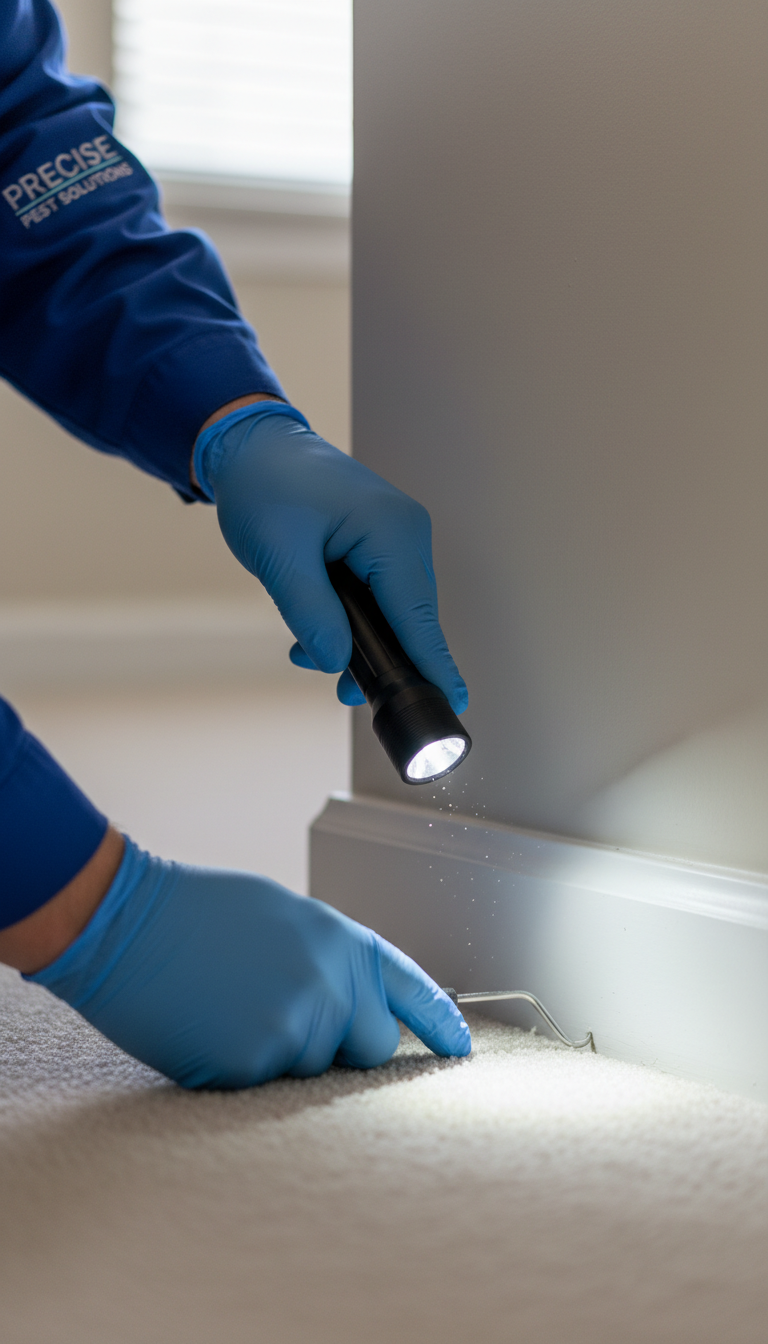
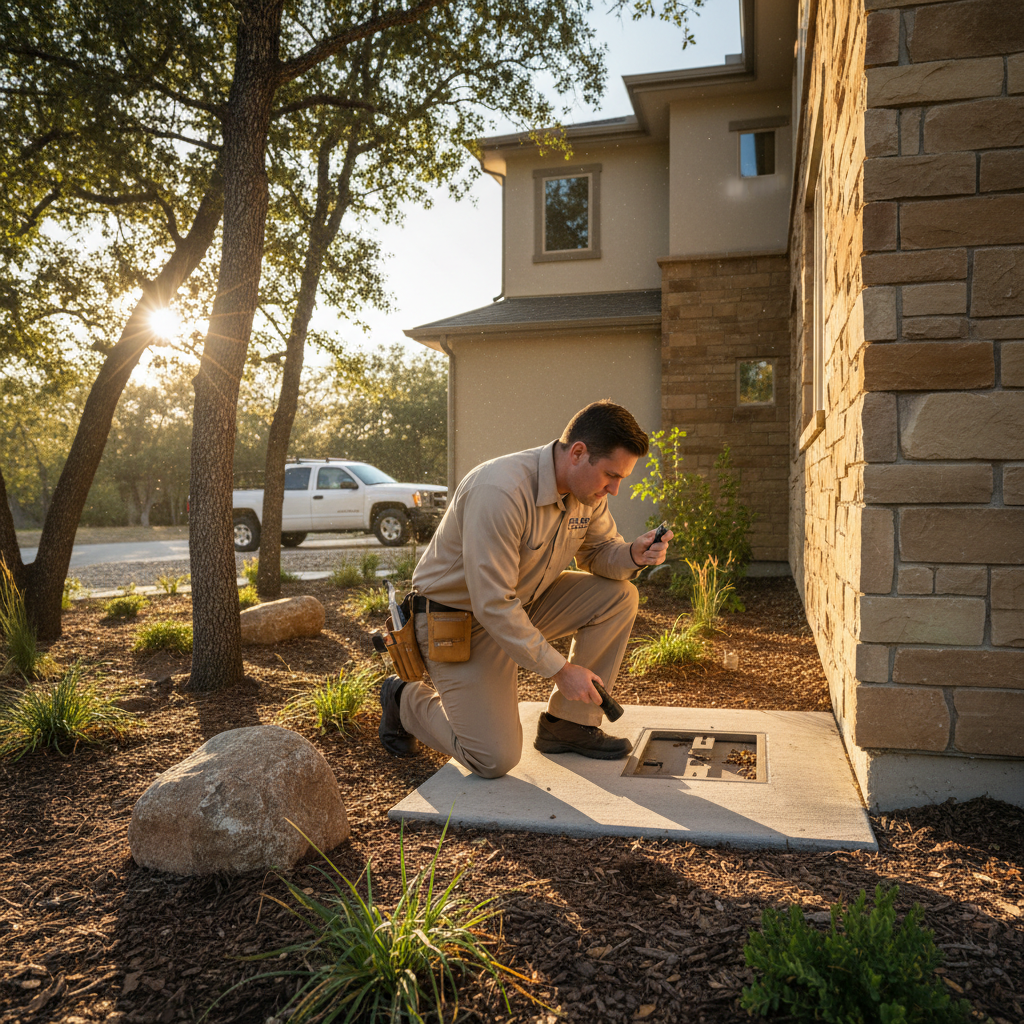
Relying on store-bought sprays often leads to a cycle of temporary relief followed by rapid re-infestation because these products lack the residual efficacy needed for Utah's climate. At Gobes Pest Control, we move beyond surface-level fixes with comprehensive pest management services designed to address the biological source of the problem. Our approach begins with a meticulous property inspection to identify specific harborage areas, such as the dense sagebrush or shaded irrigation corridors unique to Fillmore properties.
We utilize modern, high-precision tools to apply targeted treatments that form a durable protective barrier around your living spaces. Unlike generic applications, our methods focus on the underside of foliage and deep within brushy perimeter zones where pests actually reside. Our team prioritizes environmentally responsible practices, ensuring that all treatments are safe for your children and pets while remaining lethal to ticks and mosquitoes. Because we understand Fillmore’s terrain and the specific pressure points of Millard County, we can calibrate our tick and mosquito control Utah yard strategies to provide consistent, long-term protection. If you are ready to reclaim your outdoor space, you can contact Gobes Pest Control to establish a customized treatment plan that addresses your property's specific vulnerabilities.
Personal Protection: Safety Tips for Fillmore Families

Professional tick and mosquito control Utah yard treatments create a strong perimeter, but individual safety habits provide the final layer of protection for Fillmore families. Based on USU Extension recommendations, wear light-colored long sleeves and pants during outdoor activities to make hitchhiking ticks immediately visible. Use EPA-registered repellents containing DEET or Picaridin on exposed skin and gear to deter both mosquitoes and arachnids.
Once indoors, conduct thorough tick checks on children and pets, especially after they play near brushy property edges or tall grasses. University of Utah Health research confirms that showering within two hours of outdoor exposure significantly reduces infection risks by washing away unattached ticks before they can bite. You can contact Gobes Pest Control to learn more about how these personal precautions complement our professional barrier services.