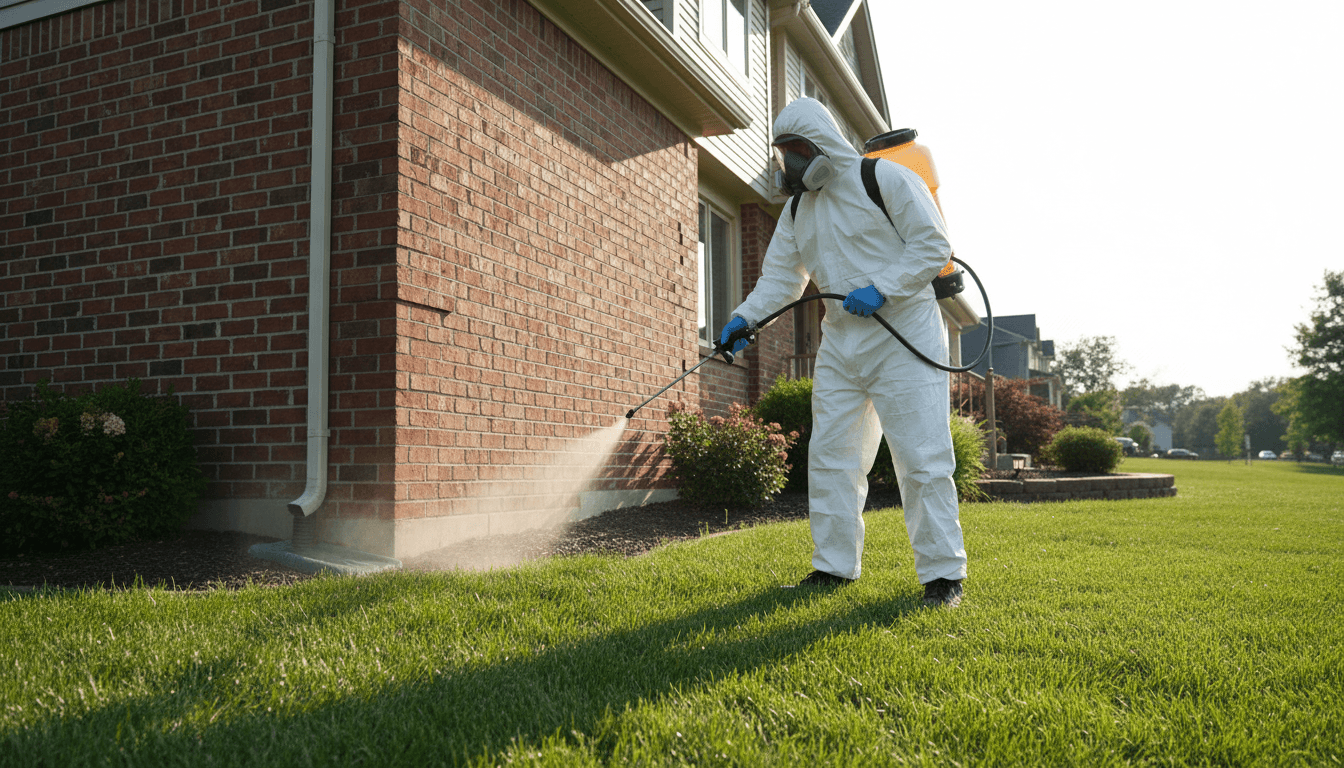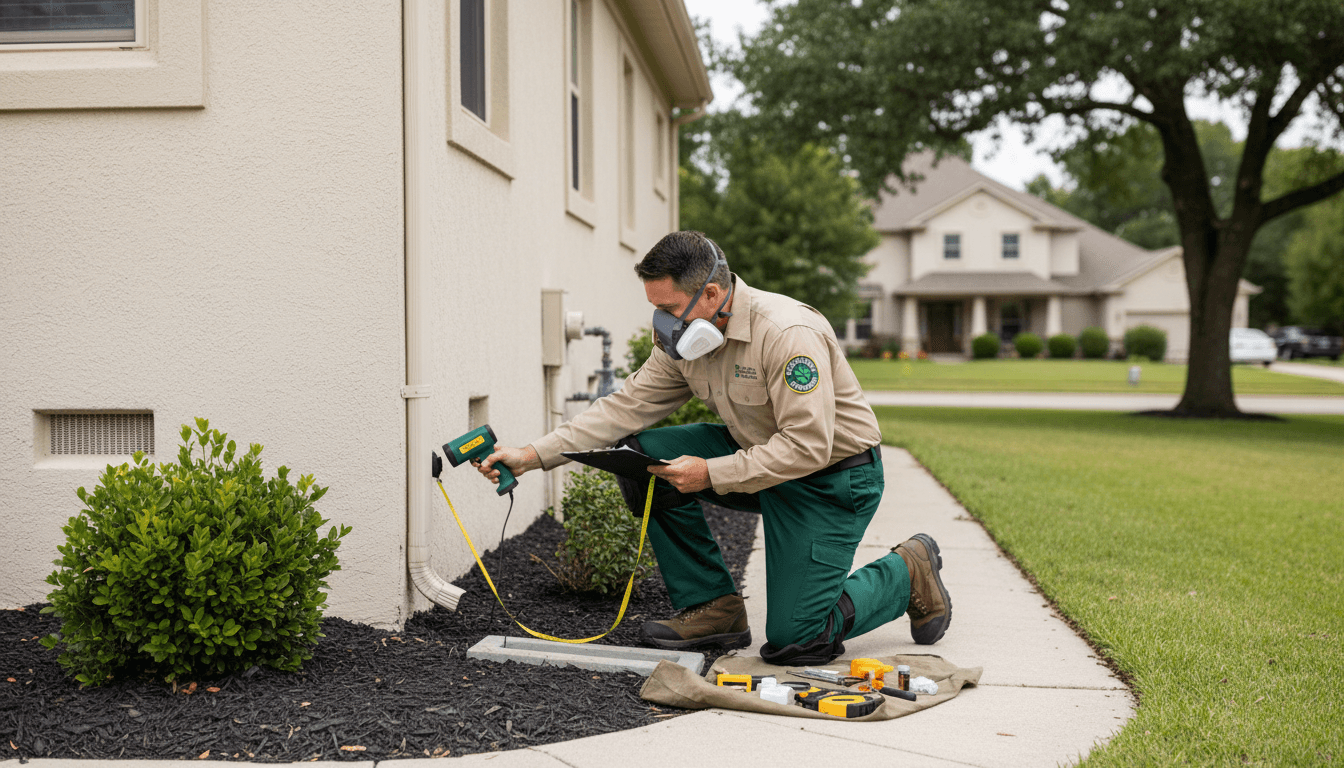
Pest-proofing your home in Central Utah requires a year-round strategy that focuses on sealing entry points and maintaining your property to deter local pests like rodents and spiders. Effective seasonal pest control Utah residents can implement includes clearing gutters in the spring, managing landscaping in the summer, and repairing weather stripping before winter. Consistently inspecting your home for gaps near pipes and windows ensures long-term protection against shifting infestations throughout the year.
In Central Utah, homeowners often feel like they are fighting a losing battle against the climate and the pests that come with it. Whether it is ants invading your kitchen during the spring thaw or spiders seeking shelter as the first frost hits, the constant shift in temperature means your home is always a target. Relying on a single treatment is rarely enough because each season introduces unique biological behaviors that require specific, targeted interventions. Maintaining a pest free environment requires a proactive strategy that evolves alongside our local weather patterns. In this guide, we will explore how to manage the seasonal lifecycle of common Utah pests from the great spring awakening to internal winter infestations. You will learn practical tips for every month and discover how our professional framework keeps your property protected throughout the entire year.
Why Seasonal Pest Control in Utah is a Year Round Necessity
Many homeowners in Central Utah believe that the arrival of the first hard freeze provides a natural reset for pest problems. In reality, Utah’s extreme temperature swings do not kill off local populations; they simply force pests to shift their tactics. Effective seasonal pest control Utah requires understanding that while activity might appear to cease outdoors, the biological drive to survive leads insects and rodents to seek shelter within the thermal mass of your home.
The high desert climate of Fillmore presents unique challenges. Because we are surrounded by vast agricultural land and wild foothills, the pressure from pests like mice, spiders, and Box Elder bugs is constant. When the mercury drops, these invaders transition from the fields to crawl spaces, attics, and wall voids in an overwintering phase. They are not dead; they are simply waiting for the right moment to re-emerge.
Waiting until you see an active infestation in the spring means you are already behind the curve. A proactive, four-season strategy ensures that protective barriers are maintained even when the ground is frozen. You can learn more about our local pest control expertise to see how we tailor treatments to the Fillmore landscape. To maintain a truly pest-free environment, it is essential to schedule a seasonal inspection and invest in reliable pest management services that address the specific behaviors of pests in every month of the year.
Spring: Managing the Great Awakening
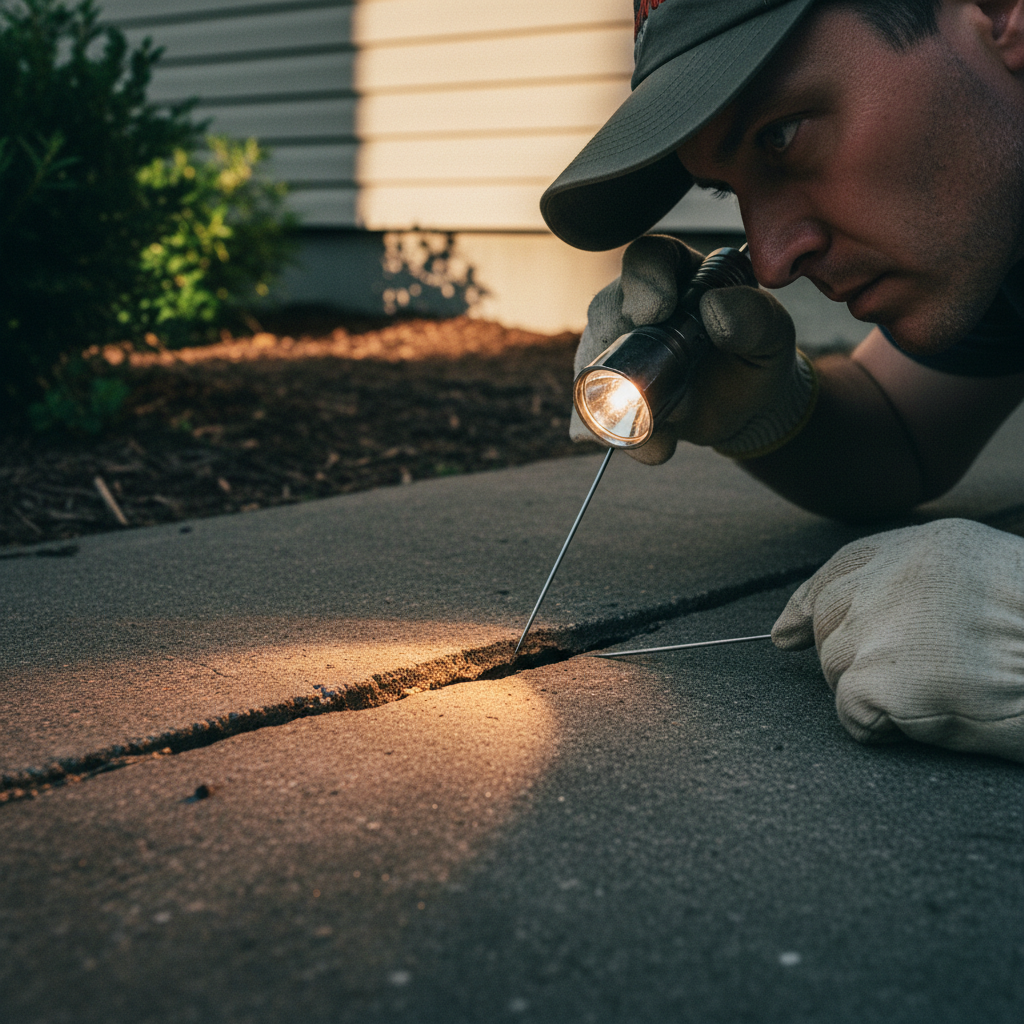
As the heavy snowpack in the Pahvant Range begins to melt and spring rains arrive, the saturated soil forces pests out of their winter retreats. This period, often called The Awakening, marks a significant shift in biological activity across Central Utah. Subterranean insects that were dormant below the frost line are suddenly pushed toward the dry, stable environment of your home’s foundation.
Pavement ants are among the first to make their presence known. As they emerge from the damp earth, they often follow moisture gradients directly into kitchens and bathrooms. Simultaneously, predatory wolf spiders become highly active as they hunt for the newly emerging insects. Because these spiders do not spin webs to catch prey, you will often find them scurrying across floorboards or near baseboards as they seek food. This is the ideal time to schedule a seasonal inspection to identify these early invaders before they establish a permanent presence.
The shifting ground during the spring thaw often creates new vulnerabilities. As the soil expands and contracts, small hairline cracks can develop in your foundation or around basement windows. These gaps serve as highways for pests. We recommend a thorough walk-around of your property to seal any new openings. Additionally, take time to clear gutters of pine needles and winter debris. Clogged gutters trap moisture against the roofline and fascia boards, creating the perfect damp environment for carpenter ants. Unlike other ants, carpenter ants can cause structural damage by nesting in water-damaged wood.
A proactive approach to seasonal pest control Utah residents can rely on involves disrupting the lifecycle of these pests early. By applying targeted treatments now, we can neutralize egg sacs and colonies before the summer heat causes populations to explode. Investing in reliable pest management services during the spring transition ensures your home remains a fortress as the local ecosystem comes back to life.
Summer: Protecting Your Property During Peak Activity

While spring was about emergence, summer is the high energy season where pest populations hit their peak. In Fillmore, the intense heat of July and August shifts the focus from seeking food to seeking moisture. This biological drive makes your home’s cool, humid interior an irresistible target for "thirsty" ants. When the high desert soil parches, these foragers will migrate from the yard into kitchens and bathrooms, trailing along plumbing lines in search of a single drop of water. This is why seasonal pest control Utah homeowners utilize must account for the shift from exterior foraging to interior moisture seeking during the hottest weeks.
Stinging insects also reach their most aggressive state during the summer months. Paper wasps, yellowjackets, and hornets actively construct nests in the protected shade of eaves, soffits, and deck railings. These structures provide the perfect thermal regulation for their larvae, but they create a significant safety hazard for your family. Dealing with established nests requires professional precision to ensure the entire colony is neutralized. To keep your outdoor living spaces safe, it is wise to schedule a seasonal inspection to identify and treat these nests before they reach their maximum size in late summer.
Effective summer management also relies heavily on landscaping hygiene. Overgrown vegetation acts as a humid microclimate for spiders and crickets. To eliminate "pest bridges," ensure all bushes and ornamental shrubs are trimmed at least 12 inches away from your siding. This gap prevents insects from bypassing your protective ground barriers and entering through window screens or attic vents. Maintaining a clear perimeter and keeping grass trimmed low reduces the harborage areas available to pests. Consistent reliable pest management services combined with these physical deterrents provide the most robust protection. You can learn more about our local pest control expertise to see how we specifically address the high desert pressures of Central Utah.
Fall: Stopping the Indoor Migration

The drop in temperature during September and October triggers a massive migration toward the thermal mass of your home. In Fillmore and the surrounding agricultural corridors, this is the most critical window for seasonal pest control Utah homeowners must prioritize. While pests were content in the fields and foothills during the summer, the freezing nights drive them to seek the radiant heat stored in your foundation and walls.
Box Elder bugs are the primary culprit during this transition. You will likely see them congregating in large, black and red clusters on the south and west facing sides of your home, soaking up the afternoon sun. As the sun sets, they crawl into crevices around window frames and siding, eventually finding their way into your wall voids to overwinter. Once they are inside, they can be difficult to manage until they emerge again in the spring. You can learn more about our local pest control expertise to understand how we specifically intercept these migrations before they move indoors.
Rodents present an even more pressing concern as the harvest ends. Mice are remarkably opportunistic; a single house mouse can squeeze through a gap the size of a dime. We recommend a systematic audit of your home’s exterior to close these entry points.
Focus Area | Action Required |
|---|---|
Garage Door Seals | Replace brittle or cracked rubber gaskets, especially at the bottom corners. |
Door Sweeps | Install or replace sweeps so no visible light shows beneath exterior doors. |
Weather Stripping | Seal gaps around windows and doors to eliminate the heat signals that attract pests. |
Utility Penetrations | Fill gaps around pipes and wires with steel wool or hardware cloth. |
Fall is the optimal time for a professional barrier spray. Applying high quality residuals around the perimeter of your home creates a chemical fence that neutralizes pests before they can enter their dormant state. Relying on reliable pest management services during this season prevents the frustration of dealing with internal infestations during the middle of winter. Before the first major snow covers the ground, schedule a seasonal inspection to seal your home and protect your property from these determined winter guests.
Winter: Addressing Internal Infestations
Homeowners often ask if pest control is even possible when there is a foot of snow on the ground in Fillmore. The answer is a resounding yes. While the exterior of your property may look dormant, the interior environment remains a climate controlled sanctuary for pests that successfully migrated indoors during the fall. Winter is actually one of the most effective times for reliable pest management services because it allows us to target pests when they are concentrated in specific, predictable areas of the home.
Rodents and spiders remain highly active within wall voids, floor joists, and crawlspaces throughout the colder months. Without the distraction of outdoor food sources, mice focus entirely on your pantry and storage areas. To protect your belongings, transition away from using cardboard boxes in basements or attics. Cardboard is problematic for two reasons: rodents shred it for warm nesting material, and the starch based glues used to seal the boxes can serve as a food source for silverfish. Utilizing heavy duty plastic bins with locking lids is a simple, effective way to deny pests a foothold in your storage zones.
The winter baking season also brings unique risks to your kitchen. When you pull out flour, grains, or dried fruits that have been sitting since the previous holiday season, you may discover Indian meal moths or sawtoothed grain beetles. These hitchhiker pests often enter the home in bulk goods and thrive in the consistent warmth of a heated house. If you notice small moths flying near your ceiling or tiny larvae in your pantry, it is time to schedule a seasonal inspection to identify the source. By maintaining seasonal pest control Utah residents can rely on through the winter, you ensure that spring emergence does not happen inside your living room. You can learn more about our local pest control expertise and how we handle these hidden winter infestations effectively.
The Three Cs of Professional Pest Management

Effective seasonal_pest_control_Utah residents trust relies on a disciplined framework known as the Three Cs. This methodology ensures that we address the root cause of an infestation rather than just treating the symptoms.
Clean: This involves more than basic housekeeping. We focus on removing the high-energy food sources and pheromone trails that attract pests like ants and cockroaches. Even microscopic grease deposits or crumbs behind appliances can sustain a colony through a Fillmore winter.
Cover: Physical exclusion is a permanent line of defense. We identify and seal structural vulnerabilities, such as gaps in siding or loose utility penetrations, that serve as entry points.
Control: While DIY sprays often use harsh, broad-spectrum chemicals that pests can learn to avoid, our reliable_pest_management_services utilize targeted, environmentally responsible treatments.
Generic store bought products often fail because they lack the residual stability needed for Utah’s climate. Our approach focuses on the biology of local pests to ensure safety for your family and pets. To experience this systematic approach firsthand, schedule_a_seasonal_inspection to safeguard your property. You can learn more about_our_local_pest_control_expertise to see why localized knowledge in Central Utah makes the difference in long-term prevention.
Protecting your home from pests in Central Utah requires attention all year long, as every season brings new challenges. While proactive maintenance goes a long way toward keeping your space secure, some infestations require a more thorough approach. If you want expert help managing these seasonal shifts, our comprehensive Services provide the tailored solutions your property needs. We are here to ensure your peace of mind throughout the year, helping you stay one step ahead of local pests.