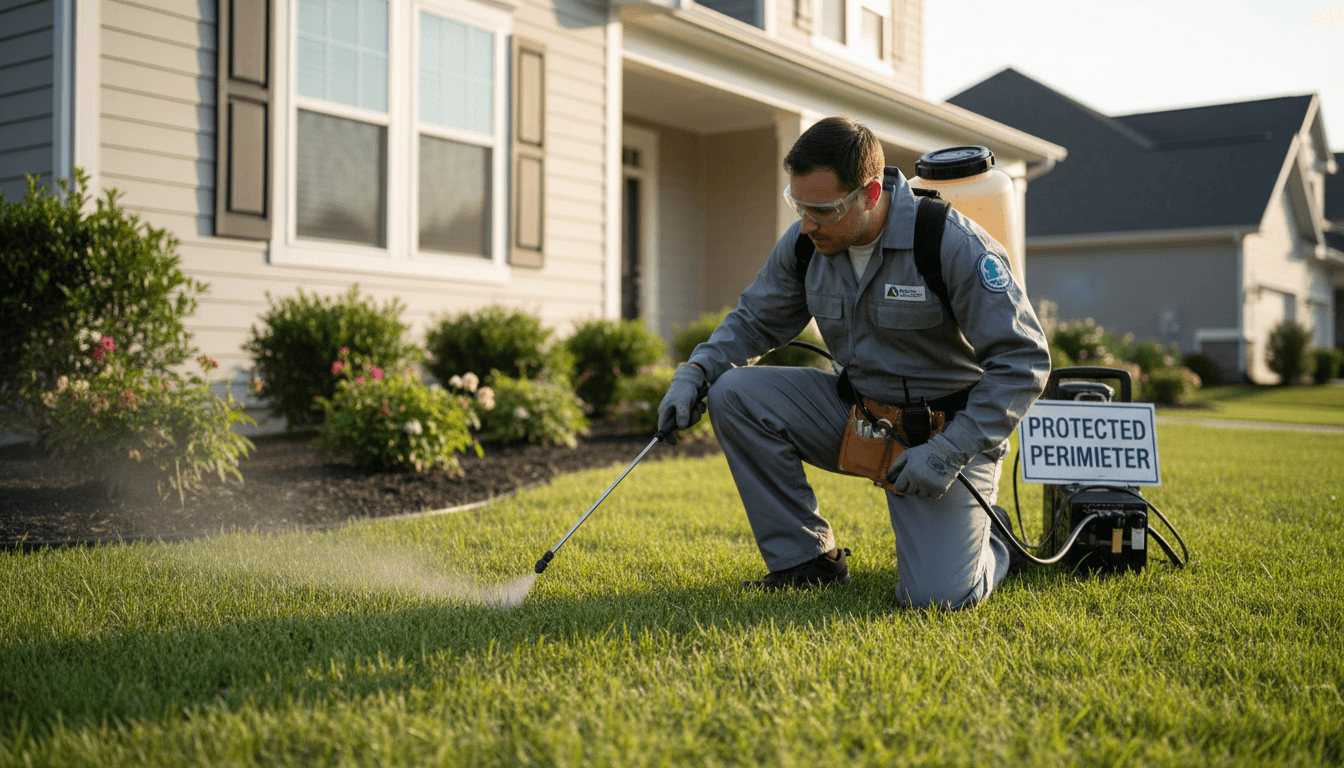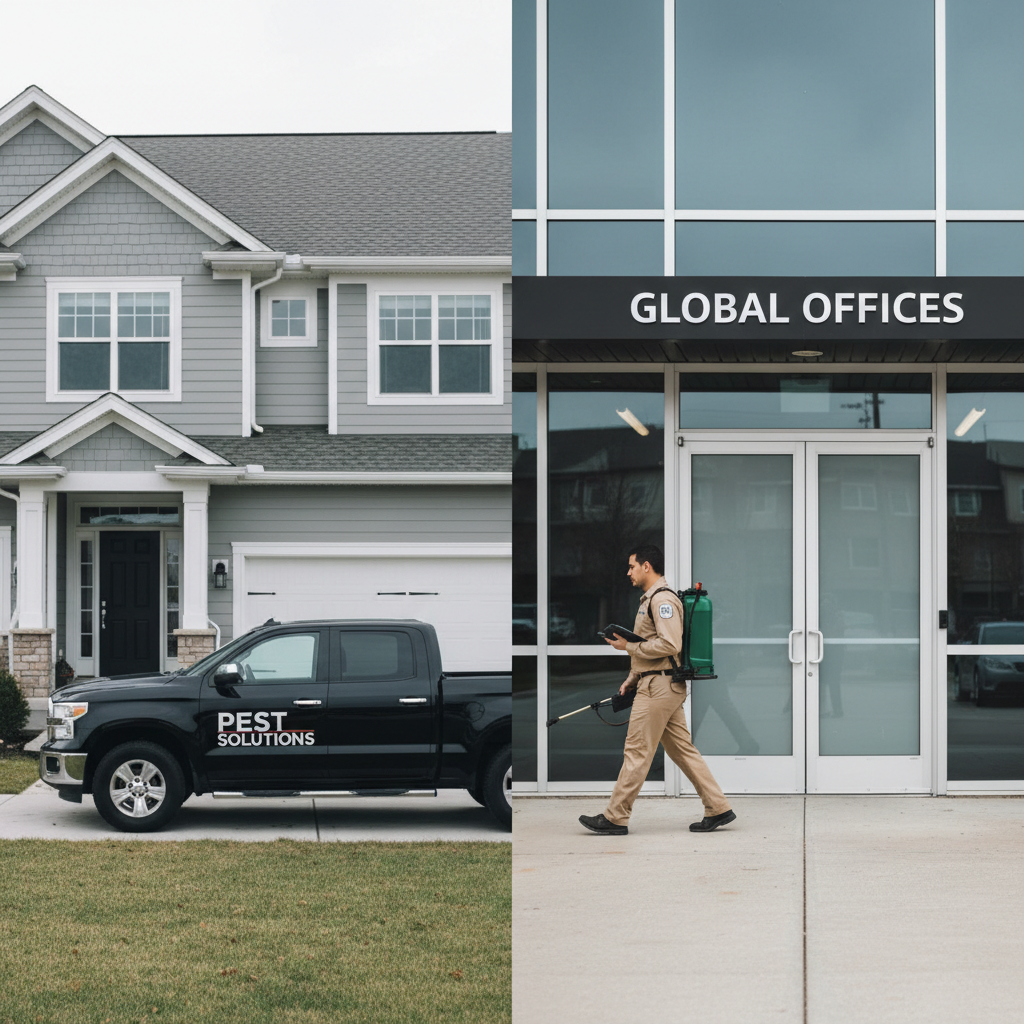
Effective commercial pest control Utah ensures businesses meet strict state health regulations and food safety standards to protect their operations and customer health. While laws vary by industry, food service and healthcare facilities must maintain documented pest management programs to comply with state inspections and prevent infestations from rodents and insects. Implementing proactive measures safeguards business reputations and maintains long-term compliance with Utah Department of Agriculture rules.
For a Utah business owner, a single pest sighting or a surprise health inspection failure can compromise years of reputation building and operational excellence. These disruptions represent more than just an inconvenience; they are significant liabilities that can lead to regulatory fines or permanent closures. In a state with specific compliance standards and shifting environmental pressures, reactive solutions are simply inadequate for modern commercial demands. This guide provides a strategic overview of commercial pest control in Utah, covering everything from mandatory legal requirements to the industry standard 30-30-30 rule for food safety. You will learn about emerging 2026 trends, the optimal frequency for professional intervention, and why localized expertise is the most effective way to protect your bottom line. Investing in proactive management ensures your facility remains compliant, sanitary, and focused on its core mission.
Navigating the Commercial Pest Control Landscape in Utah
Owning a business in Fillmore or across Millard County involves managing complex risks, but few threats are as quietly destructive as a pest infestation. While the State of Utah does not currently enforce a single blanket law requiring every retail shop or office to maintain a contract, the reality for most industries is far more demanding. Regulatory pressure from the Utah Department of Agriculture and Food (UDAF) and local health departments transforms professional commercial pest control Utah from an optional expense into a functional necessity.
For industries like food service, healthcare, and hospitality, the stakes extend beyond simple hygiene. An inspector discovering droppings, egg cases, or gnaw marks can trigger immediate fines or even facility closures. In this environment, effective management requires moving beyond reactive extermination. It requires a strategy focused on long-term compliance and brand protection. This guide examines how Utah businesses can navigate these requirements by implementing documented Integrated Pest Management (IPM) plans. By prioritizing reliable pest management for commercial clients, owners protect their property and their reputation simultaneously. Learning about our local team and our specific approach to these rigorous standards can help you maintain a comfortable environment that passes every surprise inspection.
Are Businesses in Utah Required to Have Pest Control?
Business owners in Fillmore often ask if they are legally obligated to maintain a professional service contract. While Utah does not enforce a single blanket law for every retail shop or office, the answer for food service, hospitality, and healthcare sectors is effectively yes. These industries operate under the strict oversight of the Utah Department of Agriculture and Food and local health departments, where pest management is a core component of health inspection standards. In these high-stakes sectors, navigating commercial pest control Utah requirements is a functional necessity to keep an operating license.
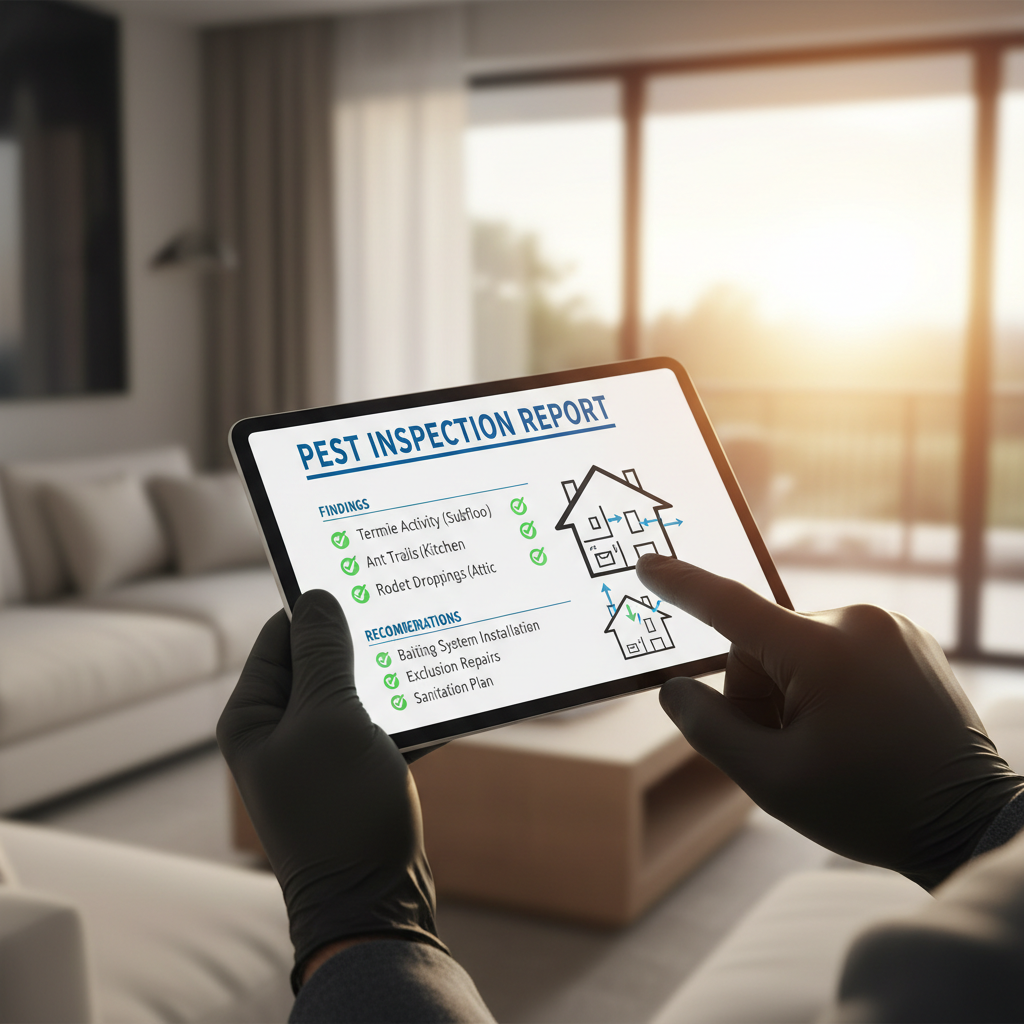
During a surprise visit, an inspector focuses on signs of activity that often go unnoticed by untrained eyes. They search for rodent droppings, gnaw marks on dry goods, and insect egg cases tucked into equipment crevices or storage areas. Discovering these signs can lead to heavy fines or immediate closure. To remain compliant, these businesses are generally required to maintain a documented Integrated Pest Management (IPM) plan. This plan outlines specific prevention steps, monitoring protocols, and treatment records that prove a business is proactive rather than reactive.
Staying compliant requires a licensed professional who understands state-specific regulations and documentation requirements. A standard inspection logbook must include proof of applicator certification and detailed pesticide usage reports to satisfy state auditors. By partnering with reliable pest management for commercial clients, business owners ensure their facility meets these regulatory demands without interruption. Understanding the nuances of these local laws is a specialty of about our local team, helping Fillmore businesses stay ahead of inspections and maintain a clean, professional reputation year-round.
The Three Cs of Pest Control and the 30 30 30 Rule
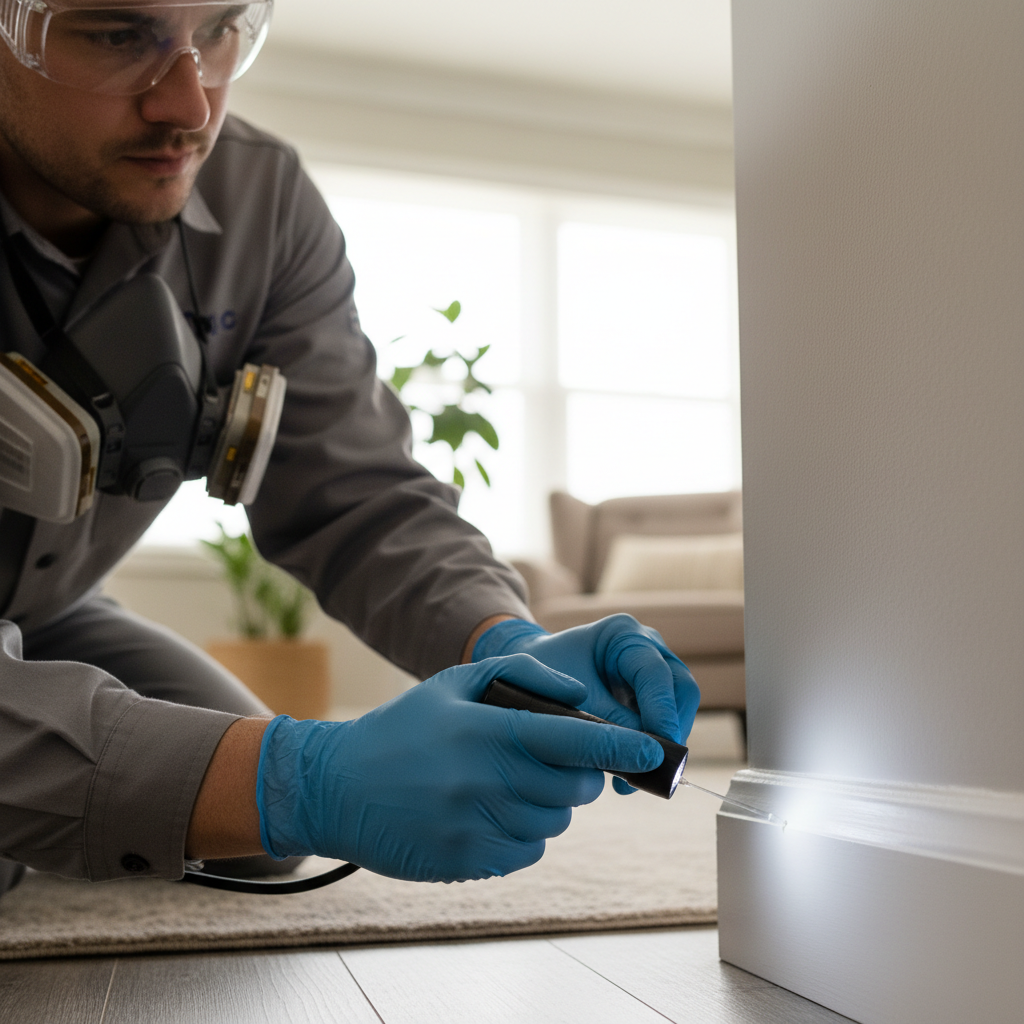
Successful commercial pest control Utah relies on a structured framework known as the Three Cs: Cleaning, Closing, and Control. Cleaning involves more than basic tidying; it requires eliminating the organic debris and stagnant moisture that act as biological beacons for pests. Closing focuses on exclusion, sealing the gaps around loading docks, utility lines, and doorways that serve as entry points. Finally, Control represents the professional intervention where our team applies targeted treatments and monitoring stations to intercept activity before it reaches critical areas.
In the food service sector, we utilize the 30 30 30 rule to guide rigorous inspections and sanitation efforts. First, we monitor the exterior perimeter up to 30 feet from the building to identify harborage sites like overgrown vegetation or dumpster issues. Inside the facility, we maintain a 30 inch inspection zone away from walls, ensuring that pallets and equipment are positioned so inspectors can easily verify the absence of droppings or egg cases. Lastly, we scrutinize areas 30 inches off the floor, focusing on the undersides of prep tables and equipment motors where heat and spilled food often attract roaches. Implementing these standards ensures reliable pest management for commercial clients while providing the transparency required for audit readiness.
Food Safety and Health Inspection Readiness

The Utah Department of Agriculture and Food (UDAF) manages the Food Safety and Compliance Program, which sets the rigorous standards for surprise inspections in Fillmore and across Millard County. When an inspector enters your facility, they are not just looking for live pests; they are evaluating the integrity of your entire preventative system. They will scrutinize hard-to-reach areas such as floor drains, motor compartments in refrigeration units, and the top surfaces of walk-in coolers, searching for the specific evidence of activity that triggers critical violations.
Passing an inspection relies heavily on a comprehensive documentation trail. A common mistake for business owners is assuming a clean floor is sufficient proof of hygiene. Inspectors require a dedicated pest control binder that includes detailed logs of pesticide use, specific application methods, and a record of service frequency. Crucially, this binder must contain proof of applicator certification verified for the state of Utah. Without this paper trail, even a physically pest-free facility can fail a compliance audit because the inspector cannot verify that treatments were performed safely or by a licensed professional.
Treat your pest control binder as a critical extension of your business license. It serves as your primary defense during an audit, demonstrating that you have partnered with experts for reliable pest management for commercial clients. Keeping this paperwork organized and accessible shows the UDAF that you are managing commercial pest control Utah requirements with professional oversight. If you need to update your compliance logs or verify your facility is audit-ready, you should contact Gobes Pest Control to review your current documentation.
Utah Commercial Pest Trends for 2026
As we look toward 2026, the landscape of commercial pest control Utah is shifting toward data-driven prevention. In Central Utah, specifically throughout Fillmore and Millard County, we are observing a marked increase in rodent activity and carpenter ant infestations. These pests are no longer just seasonal nuisances; they are becoming year-round challenges driven by volatile climate cycles. The intense, wet springs followed by prolonged dry heat often force pests out of their natural habitats and into the climate-controlled environments of local warehouses, retail spaces, and kitchens.
Technology is evolving to meet these biological pressures. High-compliance industries are moving away from traditional reactive methods toward remote monitoring and digital reporting. This involves sensor-based traps that provide real-time alerts the moment a pest is detected. By the time a health inspector arrives, your digital record proves exactly when activity occurred and how it was remediated. This level of transparency is becoming the gold standard for maintaining reliable pest management for commercial clients. Utilizing these tools allows about our local team to identify micro-trends in your specific facility, stopping a carpenter ant colony before it compromises structural integrity or a rodent population before it breaches your interior perimeter. Proactive digital reporting ensures that your business stays ahead of these 2026 trends, protecting both your physical infrastructure and your regulatory status.
Frequency and Cost: How Often Does Your Business Need Service?
Establishing a service schedule requires balancing regulatory requirements with the specific biological pressure on your property. For most restaurants and food processing facilities in Millard County, monthly visits are the industry standard. This frequency aligns with the life cycles of common pests and ensures that your documentation trail remains current for surprise health inspections. Retail stores, warehouses, or professional offices often find that quarterly or bi-monthly inspections are sufficient, provided there is no active infestation.
The investment for commercial pest control Utah varies based on the scope of work. A small retail shop might pay as little as $35 per month for basic exterior monitoring, while large food production plants or medical facilities can exceed $2,000 per month due to the complexity of their compliance requirements.
Business Type | Typical Service Frequency | Factors Affecting Price |
|---|---|---|
Restaurant / Cafe | Monthly | Square footage, high-risk moisture areas |
Retail / Office | Quarterly / Bi-Monthly | Building age, entry point count |
Warehouse / Industrial | Monthly | Inventory type, loading dock exposure |
Prioritizing reliable pest management for commercial clients is a strategic financial decision. Preventive monthly costs are predictable and substantially lower than the emergency remediation fees, product loss, and potential fines associated with a full-scale infestation. If you are uncertain about the specific needs of your facility, contact Gobes Pest Control for a site assessment to determine your risk level and budget.
Why Fillmore Businesses Choose a Local Partner
National chains often treat Millard County facilities with a one size fits all mentality, but commercial pest control Utah demands a deeper understanding of local biology. Fillmore businesses face unique pressures from the high desert environment and local agricultural cycles that a distant call center cannot account for. Choosing a local partner ensures your technician understands exactly how seasonal changes in our specific climate drive rodents and insects toward your loading docks and storage rooms.
Speed is a critical factor when an inspector is scheduled or an unexpected sighting occurs. Because we are based right here in Fillmore, our response times are measured in hours, not days. This proximity allows for the targeted, safe treatments that national providers often overlook in favor of broad, chemical heavy approaches. We prioritize environmentally responsible practices to protect your property, your pets, and your patrons, ensuring that our presence never compromises your daily operations. To experience the difference of a neighbor who knows your industry standards, learn about our local team and how we provide reliable pest management for commercial clients. If you have an immediate concern, you can contact Gobes Pest Control to secure your facility today.
Maintaining strict food safety and compliance standards is the backbone of any successful Utah business. While basic sanitation helps, protecting your reputation from pest risks requires a consistent and proactive strategy. If you want expert help navigating these complex regulations and implementing a professional protection plan, we are here to support your team. You can learn more About our specific mission and our commitment to local businesses. We ensure your facility remains safe, compliant, and ready for every health inspection.